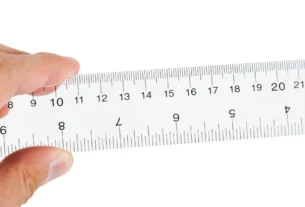

Twelve millimeters equals 0.4724 inches, or about 15/32 of an inch. That’s just shy of a true half inch, which is actually 12.7 mm. In centimeters, 12 mm comes out to 1.2 cm.
If you grew up using inches and feet, metric sizes can feel like guesswork. A number like “12 mm” doesn’t mean much until you connect it to something you already know.
That’s exactly what this guide does. So, how big is 12 mm in real life? Think of the metal connector on a standard USB Type-A plug. That part measures exactly 12 mm wide, making it one of the easiest everyday objects to compare against.
By the end of this guide, you’ll be able to spot 12 mm without ever touching a ruler.
Everyday Things That Are 12 mm (Visual Guide)
You don’t need a ruler to understand 12 mm. You just need objects you already own. Let’s break this down with things you can grab right now for a quick visual comparison.
The USB Type-A Connector
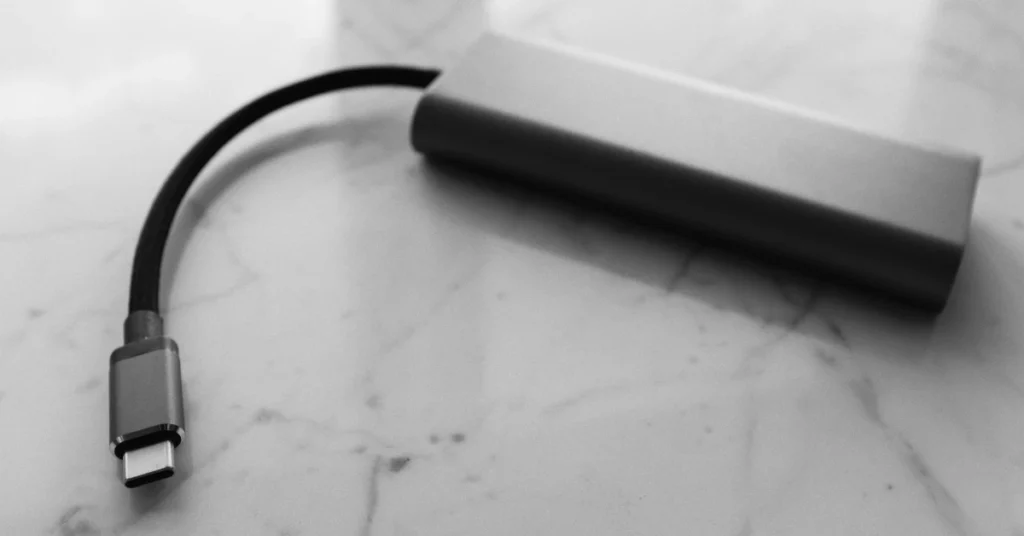
Look at any USB cable near your desk. The metal tip you plug into your laptop or charger is exactly 12 mm wide. This makes it one of the best references for “things that are 12 mm long” because almost every American home has one within arm’s reach.
Here’s why this works so well:
- It’s a hard metal edge, so it’s easy to measure against.
- It’s the same size on every standard USB Type-A plug, no matter the brand.
- You can hold it next to another object to instantly judge size.
Next time you’re unsure how big 12 mm looks, just glance at your charging cable. That metal connector is your built-in size guide.
AAA Battery Comparison
For a second reference point, grab an AAA battery from a remote or flashlight. Its diameter is 10.5 mm, which is a bit smaller than 12 mm.
This comparison matters because:
- It shows how tight the range is between “close to 12 mm” and “exactly 12 mm.”
- It helps you understand why some items marked 1/2 inch don’t quite match true 12 mm.
- It gives you a second real object for a 12 mm visual comparison, not just one.
Line the USB connector and the AAA battery side by side. You’ll notice the USB tip is just slightly wider. That small gap between 10.5 mm and 12 mm is exactly the kind of difference that trips people up when shopping online or working on DIY projects.
Quick Object Comparison Table
| Object | Measurement | How It Compares to 12 mm |
| USB Type-A connector | 12 mm wide | Exact match |
| AAA battery | 10.5 mm diameter | Slightly smaller |
Once you’ve held both objects, 12 mm stops being an abstract number. It becomes something you can recognize instantly, without ever picking up a tape measure.
12 mm to Inches: The Math Made Simple
Converting 12 mm to inches is simple once you know the formula. Just divide by 25.4, since that’s how many millimeters make up one inch. That gives you 0.4724 inches, which is the exact decimal value.
But decimals aren’t very useful when you’re holding a tape measure. Most American tape measures are marked in fractions, not decimals. So the more practical number to know is the 12 mm to inches fraction, which comes out to 15/32 inch.
Decimal vs Fraction Table
| Conversion Type | Value | Best Used For |
| Exact decimal | 0.4724 inches | Calculators, precise specs |
| Practical fraction | 15/32 inch | Reading a tape measure |
| Centimeters | 1.2 cm | Metric cross-reference |
Reading This on a Tape Measure
Standard American tape measures break each inch into 16 small ticks. Each tick equals 1/16 inch. Since 15/32 falls between two of these marks, look just slightly before the 1/2 inch line.
Here’s a simple way to find it:
- Locate the 1/2 inch mark on your tape measure.
- Move back one small tick, which is 1/32 inch less.
- That spot is roughly where 12 mm lands.
This tiny gap explains a lot of confusion. Many people assume 12 mm and 1/2 inch are identical, but they’re not. That small 0.7 mm difference matters more than it seems, especially for parts that need a precise fit.
For readers who want a deeper look at how metric and imperial systems relate to each other, the National Institute of Standards and Technology offers a reliable overview of official measurement standards used across the U.S.
Once you understand this conversion, sizing anything metric becomes much less confusing.
Is 12 mm the Same as 1/2 Inch? (The Common Trap)

Here’s the short answer: no, 12 mm is not half an inch. A true 1/2 inch equals 12.7 mm, which is 0.7 mm larger than 12 mm. That small gap seems tiny, but it causes big problems for people shopping online or working on precise projects.
So if you’ve been asking, “is 12 mm half an inch,” the answer is close, but not exact. And in some projects, close isn’t good enough.
Why This Difference Matters
That 0.7 mm gap might sound small, but it shows up in two places a lot: woodworking and body jewelry.
Woodworking:
Imported plywood labeled “1/2 inch” is often exactly 12 mm thick, not a true 12.7 mm. This creates fit problems in dado cuts, cabinet slots, and shelving designed for real half-inch material. Builders following American blueprints can end up with a slightly loose or uneven fit.
Body jewelry and piercings:
This is one of the biggest pain points on Reddit forums like r/Stretched. People order jewelry listed as “1/2 inch” expecting 12.7 mm, but instead receive true 12 mm gauges. Since gauge sizing depends on precision, that 0.7 mm difference can mean jewelry feels loose or doesn’t match a healed piercing size.
How to Avoid the Mistake
- Always check if a listing shows the size in mm or inches.
- Remember: 12 mm is slightly smaller than 1/2 inch.
- For jewelry or tools requiring exact fit, look for 12.7 mm specifically if you need true half-inch sizing.
Knowing this difference helps you avoid returns, ill-fitting parts, and frustrating do-overs. When precision counts, always double check the exact millimeter value instead of assuming “close enough” will work.
Where Do We See 12 mm the Most?
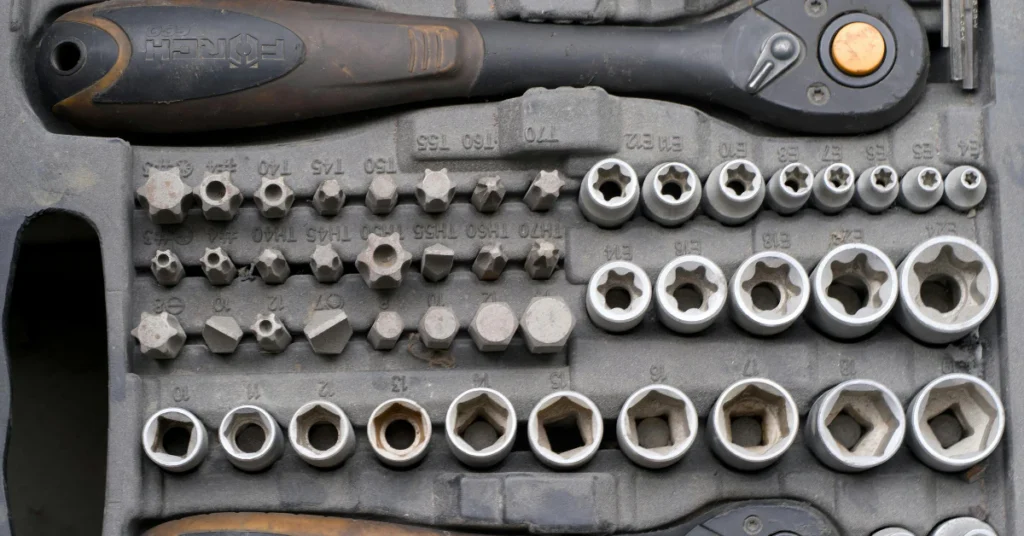
Twelve millimeters shows up more often than most people realize, especially once you start paying attention. Two groups run into this measurement constantly: mechanics and crafters.
Mechanics and Automotive Work
Grab any basic socket set, and you’ll likely find a 12 mm socket already worn from use. It’s one of the most common sizes for bolts and fasteners on cars, motorcycles, and small engines.
- Used often on engine covers, brackets, and suspension parts.
- A staple size in almost every mechanic’s toolbox.
- Frequently needed for basic home car maintenance, not just professional repairs.
If you’ve ever done an oil change or fixed a loose part, there’s a good chance a 12 mm socket was involved.
Crafts, Beads, and Jewelry
Crafters run into 12 mm just as often, especially when working with beads and pearls. It’s a go-to size for bracelets, necklaces, and handmade jewelry pieces.
- Common size for round beads sold in craft stores.
- Popular for pearl strands used in classic jewelry designs.
- Easy to mix and match with other standard bead sizes.
Whether it’s a bolt or a bead, 12 mm keeps showing up in everyday projects.
Frequently Asked Questions
How big is a 12 mm circle?
A 12 mm circle has a diameter of 12 mm, which means it measures just under half an inch across. It’s roughly the same width as the metal tip on a USB Type-A connector.
How wide is 12 mm in cm?
12 mm converts exactly to 1.2 cm. This makes it easy to switch between millimeters and centimeters without needing a calculator.
What gauge is 12 mm?
Gauge numbers work differently across industries, so there’s no single universal answer. In wire or sheet metal, gauge sizing follows its own separate scale unrelated to millimeters. But in body jewelry, 12 mm is commonly treated as just under a 1/2 inch gauge, since true half inch is 12.7 mm.
Once you connect 12 mm to real objects like a USB connector or a AAA battery, the size becomes easy to remember. Whether you’re buying jewelry, cutting plywood, or grabbing the right socket wrench, knowing this small but important difference can save you time, money, and frustration. Now you can measure with confidence, even without a ruler in hand.