9 inches equals 22.86 cm, or 228.6 mm. That’s exactly 3/4 of a foot, or a quarter of a yard. It’s a measurement you’ll run into more often than you’d think, from kitchen tools to shoe sizes.
So how long is 9 inches, really? Numbers on a screen don’t always click. You can picture 9 inches far better when you compare it to something you already hold or use every day. A standard pie pan, for example, measures exactly 9 inches across, and most people have one sitting in a kitchen cabinet right now.
This is where understanding 9 inches visual size becomes genuinely useful. Maybe you’re buying a frame, checking if a gift will fit in a box, or trying to figure out if your new gadget will squeeze onto a shelf. A tape measure isn’t always within reach, but a mental picture is.
That’s the goal of this guide: to give you quick, reliable comparisons using things you can actually picture without digging through a drawer. We’ll cover common household items, food-related objects, and a few myths worth debunking (spoiler: two dollar bills don’t add up to 9 inches, no matter how tempting the math looks).
By the end, you’ll be able to size up 9 inches at a glance, no ruler needed.
9 Inches in Different Units (Conversion Chart)
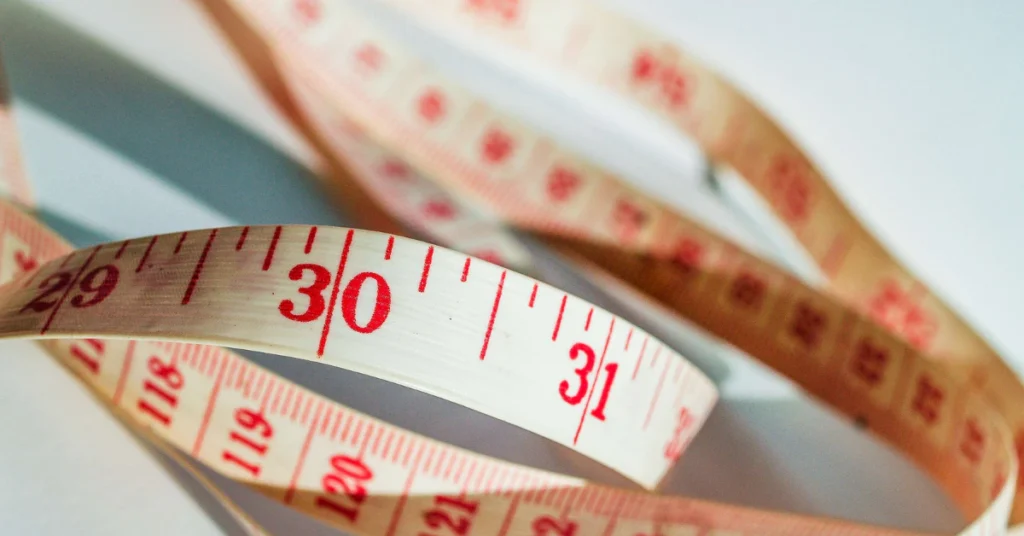
Converting 9 inches into other units is simple once you know the base math. One inch equals exactly 2.54 cm, so multiplying that by 9 gives you every figure you need.
If you’re searching for 9 inches in cm, the answer is 22.86 cm. In millimeters, that’s 228.6 mm. In feet, 9 inches works out to exactly 0.75 feet, or 3/4 of a foot. As a fraction of a yard, it comes to 0.25 yards, a quarter of the way there.
Here’s a quick reference table for all the common units:
| Unit | Value |
| Centimeters (cm) | 22.86 cm |
| Millimeters (mm) | 228.6 mm |
| Feet | 0.75 ft |
| Yards | 0.25 yd |
| Meters | 0.2286 m |
These conversions stay fixed because the inch is a standardized unit worldwide. If you ever need to double-check a conversion or work with a different number, NIST’s official unit conversion guidelines are a reliable source to bookmark.
Knowing these numbers by heart makes it much easier to picture 9 inches without reaching for a calculator every time.
9 Common Everyday Objects That Are Exactly or Almost 9 Inches
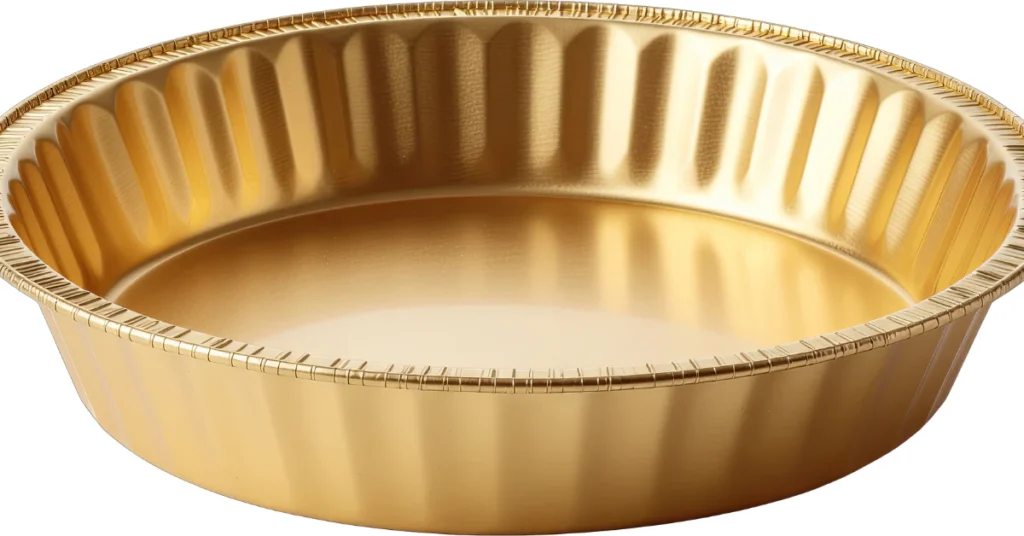
If you want real-world examples of objects that are 9 inches long, you don’t have to look far. Several items you already own match this measurement closely, and some hit it exactly. Here are nine of the most reliable comparisons.
Standard Pie Pan
A standard US pie pan is one of the best 9 inch diameter examples you’ll find in any kitchen. Most American recipes, from apple pie to quiche, are written around this exact pan size. If you’ve ever baked a pie at home, you’ve already held something 9 inches across.
Standard Paint Roller
Walk into any US hardware store and the most common wall paint roller you’ll find is 9 inches wide. This size is the default for covering large, flat wall surfaces efficiently. It’s a go-to reference if you’ve ever painted a room yourself.
Standard Disposable Paper Plate
The classic paper plate used at barbecues, picnics, and birthday parties is commonly 9 inches across. It’s a size most people in the US have handled dozens of times without thinking about the measurement. Next time you grab one for a cookout, you’re holding a near-perfect 9 inch example.
Regulation Baseball
A regulation MLB baseball has a circumference of 9 to 9.25 inches. That’s the distance around the ball, not across it, but it’s still one of the most precise and well-documented 9 inch references available. According to Major League Baseball’s official rules, this size has stayed consistent for generations of play.
Lotion Bottle
Standard pump-style lotion bottles, typically in the 8 to 12 oz range, usually stand between 8.7 and 9.5 inches tall. This makes most bathroom-counter lotion bottles a close, everyday match for the 9 inch mark. It’s a size you likely pass by every morning without a second glance.
Men’s Shoe
A US men’s size 6 shoe has an internal length of about 9 inches. Shoe sizing isn’t something most people connect to a ruler, but this is one of the clearer examples of objects that are 9 inches long. It’s also a helpful comparison if you’re trying to picture length rather than width or diameter.
Standard Drinking Straw
The average straw handed out at fast-food restaurants measures around 9 inches in length. It’s thin, so the length isn’t always obvious at a glance, but laid flat, it’s a solid everyday reference. Most people use one without ever noticing how long it actually is.
A Standard Brick Plus 1 Inch
A standard brick measures 8 inches long. Add just 1 inch, roughly the width of a finger, and you’ve reached the 9 inch mark. This combination makes bricks a useful mental shortcut if you work with construction materials or home improvement projects often.
iPad or Small Tablet Screen Height
Many small tablets, including some iPad models, have a screen height roughly between 9 and 9.8 inches. If you own a tablet, you likely already have a 9 inch (or close to it) screen in your hands on a regular basis. It’s one of the more modern, tech-based comparisons on this list.
Quick comparison table:
| Object | Measurement Type | Size |
| Pie Pan | Diameter | 9 inches |
| Paint Roller | Width | 9 inches |
| Paper Plate | Diameter | 9 inches |
| Baseball | Circumference | 9 to 9.25 inches |
| Lotion Bottle | Height | 8.7 to 9.5 inches |
| Men’s Shoe (Size 6) | Internal Length | ~9 inches |
| Drinking Straw | Length | ~9 inches |
| Brick + 1 Inch | Length | 8 inches + 1 inch |
| Tablet Screen | Height | ~9 to 9.8 inches |
Whether you need a diameter, a length, or a height, these everyday objects make it easy to picture 9 inches without needing a tape measure in hand.
Common Mistakes People Make When Estimating 9 Inches

A lot of “size comparison” lists floating around online get this measurement wrong. People reach for familiar objects without actually checking the numbers, and the mistakes get copied from one site to another. Here are the most common ones worth clearing up.
Myth: Two dollar bills equal 9 inches.
This one gets repeated a lot, but it doesn’t hold up. A US dollar bill measures 6.14 inches long, not 4.5 inches. So two bills placed end to end add up to 12.28 inches, well past the 9 inch mark. If you’re using cash as a makeshift ruler, one bill alone won’t get you to 9 inches either.
Myth: A sheet of paper is 9 inches wide.
Paper sizes are close to 9 inches, but not quite there. US Letter paper is 8.5 inches wide, and A4 paper is 8.27 inches wide. Both fall short by less than an inch, close enough to cause confusion, but not accurate enough to rely on.
Here’s a quick breakdown of these common mix-ups:
- US Dollar Bill: 6.14 inches long (not a 4.5 inch reference)
- Two Dollar Bills Together: 12.28 inches (not 9 inches)
- US Letter Paper: 8.5 inches wide (slightly under 9)
- A4 Paper: 8.27 inches wide (slightly under 9)
The takeaway here is simple: “close” isn’t the same as “exact.” When precision matters, like for crafting, shipping, or DIY projects, it’s worth using objects that are verified to be exactly 9 inches, such as a standard pie pan or paint roller, rather than everyday items that only look close at a glance.
How to Visualize and Measure 9 Inches Without a Ruler

Not every project calls for a tape measure. Sometimes the fastest way to estimate a length is one you’re already carrying with you: your own hand.
The Hand Span Trick
An average adult male hand span, measured from the tip of the thumb to the tip of the pinky when fully stretched, is roughly 8.5 to 9 inches. This makes a 9 inches compared to hand estimate one of the easiest tricks for quick, on-the-spot measuring. Women’s hand spans tend to run a bit smaller, usually closer to 7.5 to 8 inches, so it’s worth checking your own before relying on it.
Why This Works So Well
Your hand is always with you. Unlike a ruler or tape measure, you never have to dig through a drawer to find it. Once you know your personal hand span measurement, you’ve essentially got a built-in, pocket-sized ruler for life.
How to Check Your Own Hand Span
- Grab an actual ruler or tape measure (just this once).
- Spread your hand as wide as it will comfortably go.
- Measure from the tip of your thumb to the tip of your pinky finger.
- Write that number down somewhere you’ll remember it.
Once you know this number, you can estimate almost any length just by stretching your hand across it.
Other Quick Body-Based Estimates
- Forearm length (wrist to inner elbow): often close to 9-10 inches for adults, useful for longer estimates.
- Two stacked fists: Each adult fist is roughly 4 to 4.5 inches wide, so two stacked together land close to 9 inches.
- Index finger length: Typically 2.5 to 3 inches, so three fingers end to end get you in the 9 inch range.
A Tip for DIYers
If you work on home projects often, measure your own hand span once and commit it to memory. It won’t replace a tape measure for precise cuts, but for quick checks (does this fit, is this close enough), it’s faster than searching for a tool every time.
Why is 9 Inches a Standard Size in the USA?
There’s a simple reason 9 inches shows up so often in American products: it’s exactly 3/4 of a foot. Since the US uses the imperial system, manufacturers often design products around clean fractions of a foot, and 3/4 is one of the easiest to work with.
This makes 9 inches a practical, round number for tools and equipment. It divides evenly in a way that’s easy to measure, cut, and manufacture at scale. That’s part of why it shows up across so many unrelated industries, from baking to hardware.
Baking: The Pie Pan Standard
In the kitchen, 9 inches became the go-to size for pie pans decades ago. Recipes, cookbooks, and bakeware manufacturers all built around this single standard, which is why nearly every American pie recipe assumes a 9 inch pan unless stated otherwise. It keeps baking consistent, whether you’re using a recipe from this year or one passed down from a grandparent.
Hardware: The Paint Roller Standard
In home improvement, 9 inches became the standard width for wall paint rollers. It’s wide enough to cover large wall sections quickly, but still manageable for one person to control. Hardware stores across the US stock this size as the default option for a reason: it works well for most everyday painting jobs.
A Pattern Worth Noticing
Once you start looking, 9 inches turns up again and again in US-made products. It’s not a coincidence. A clean fraction of a foot, combined with practical usability, made 9 inches an easy number for manufacturers to standardize around, and it’s stuck for generations.
Frequently Asked Questions
What is 9 inches in cm?
9 inches equals 22.86 cm. It’s also equal to 228.6 mm, or exactly 3/4 of a foot.
Is 9 inches big or small?
It depends on the context. For a dinner plate or pie pan, 9 inches is a standard, average size. For a tablet screen, it’s considered small to mid-sized. For a shoe length, it’s relatively short, matching a men’s US size 6. There’s no single answer, it’s always relative to what’s being measured.
How can I measure 9 inches without a ruler?
The easiest way is using your hand span. An average adult male hand span, from thumb tip to pinky tip, is roughly 8.5 to 9 inches. You can also compare against everyday objects known to be exactly 9 inches, like a standard pie pan or a paint roller, to estimate quickly.
Is a piece of paper 9 inches wide?
No. US Letter paper is 8.5 inches wide, and A4 paper is 8.27 inches wide. Both are close to 9 inches but fall short by less than an inch, so neither should be used as an exact 9 inch reference.
Conclusion
Measuring 9 inches doesn’t require anything fancy. Once you know it converts to 22.86 cm, or 3/4 of a foot, the rest comes down to recognizing the right everyday items.
A quick trip to the kitchen will usually turn up a pie pan that matches this size exactly. Check the garage or a hardware store aisle, and a standard paint roller will do the same. Even your own hand, stretched from thumb to pinky, gets you close without any tools at all.
Just remember to skip the common shortcuts that don’t actually work, like stacking dollar bills or using a sheet of paper as a stand-in ruler. With the right reference points in mind, picturing 9 inches becomes second nature, no tape measure required.