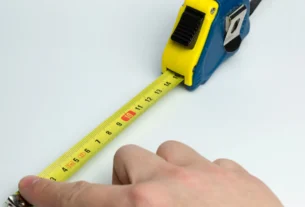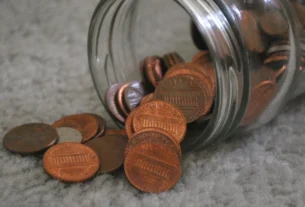
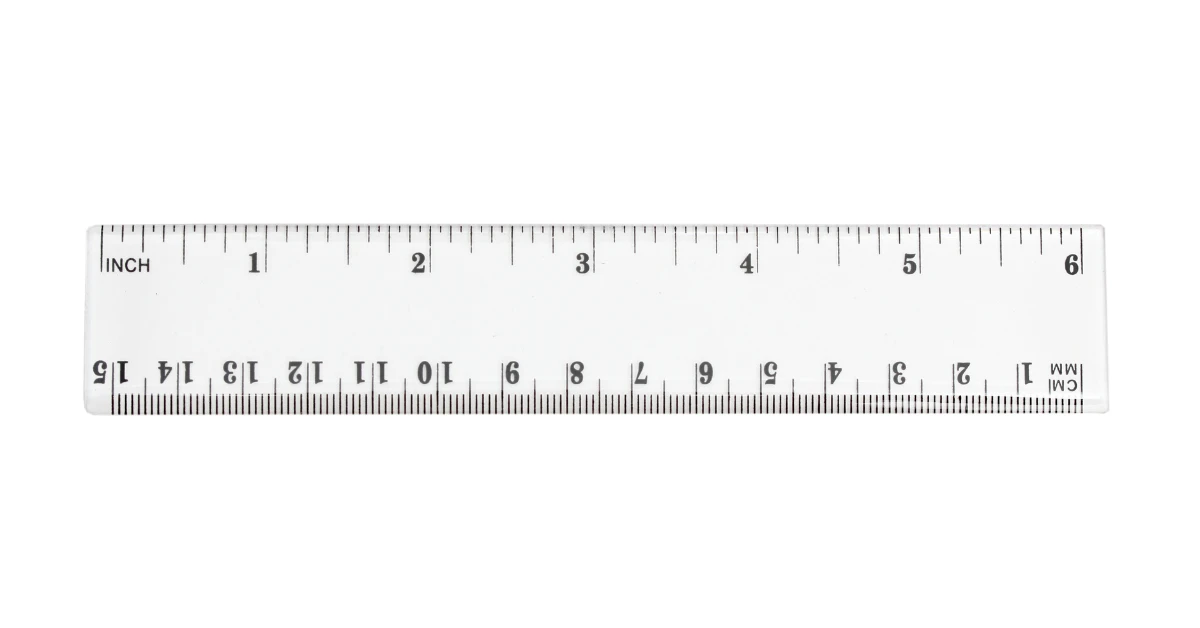
2 cm is about the width of a US penny or a AA battery’s diameter. In exact numbers, 2 cm equals 20 millimeters (mm) and roughly 0.787 inches, which is just under 3/4 of an inch.
So how big is 2 cm, really? It’s small enough to fit on your fingertip but big enough to notice right away. If you’ve seen a nickel sitting in your hand, you already know the size. Two centimeters shows up everywhere: in craft projects, in phone specs, and even in medical reports where doctors describe the size of a stone or a mole.
If you’re trying to convert 2 cm in inches without pulling out a calculator, just remember: it’s close to 0.79 inches, a hair under three-quarters of an inch. Keep reading for everyday objects that match this size exactly, plus what it means if you spotted this number on a medical scan.
Visualizing 2 cm: The US “Pocket Ruler” Trick

You don’t need a ruler to picture 2 cm. You’ve probably got a close match sitting in your pocket or junk drawer right now.
Grab a penny and a nickel. A US penny measures 19.05 mm (1.9 cm) across, according to specs published by the US Mint. A nickel measures 21.21 mm (2.1 cm). Line them up side by side and 2 cm sits right in the gap between them, just a touch bigger than a penny and a touch smaller than a nickel.
Want something that lands exactly on the mark? Check a CR2032 battery, the flat round one used in watches, key fobs, and small electronics. It measures exactly 20 mm (2 cm) across. So next time you’re converting 20 mm to cm in your head, just remember: that’s one CR2032 battery, no math required.
Here’s how the three compare:
| Object | Diameter (mm) | Diameter (cm) | Compared to 2 cm |
| US Penny | 19.05 mm | 1.9 cm | Slightly smaller |
| CR2032 Battery | 20 mm | 2.0 cm | Exact match |
| US Nickel | 21.21 mm | 2.1 cm | Slightly bigger |
This trick works because your brain remembers physical objects better than numbers. Once you’ve held a penny and a nickel together and pictured that gap between them, you’ll never need to look up “how big is 2 cm” again. It’s baked into your pocket change.
7 Common Everyday Things That Are About 2 cm

If you’re still asking “how big is 2 cm” after the coin trick, here are more things that are 2 cm you can spot around your house right now.
- A standard keyboard key. Most keys on a mechanical keyboard measure about 1.9 cm wide. Run your finger across one letter key and you’ve basically touched 2 cm.
- Two stacked coffee beans. A single roasted coffee bean is close to 1 cm long. Stack two of them and you’ve got a rough 2 cm visual, handy if you’re brewing coffee and thinking about size at the same time.
- A standard SD card. An SD card measures about 2.4 cm wide, just a bit larger than 2 cm. Hold one up and you’ll see how close that extra few millimeters actually looks.
- A USB Type-A plug. The metal connector on a classic USB plug, the one you flip over twice before it goes in right, is close to 2 cm wide. It’s one of the most-touched 2 cm objects in your house.
- A chapstick tube. The round tube of a standard chapstick or lip balm runs about 1.5 to 2 cm across. Roll one between your fingers and you’re holding a close match.
- A large grape. A big, plump table grape is often close to 2 cm in diameter. Produce size varies, but it’s a quick reference next time you’re at the grocery store.
- A large shirt button. Bigger buttons on coats and blazers often measure around 2 cm across. Smaller shirt buttons run closer to 1 cm, so size matters here.
Things that are 2 cm tend to share one trait: they’re small enough to hold between two fingers but large enough to see clearly without squinting. That’s the sweet spot this measurement sits in, not quite tiny, not quite big.
Next time you need a fast visual, skip the ruler. Picture a keyboard key, a USB plug, or a chapstick tube instead. Your eyes already know the size, even if your brain hasn’t labeled it yet.
Health & Medical Sizes: What Does a 2 cm Measurement Mean?

If a doctor just told you about a 2 cm finding on a report, you’re probably not here for fun facts about keyboard keys. You want to know if that number is something to worry about. Here’s what it actually means.
A 2 cm kidney stone. A stone measuring 20 mm (2 cm) falls into the “very large” category. For reference, most stones that pass on their own are under 4 to 5 mm, about the size of a grain of rice. At 2 cm, the stone is roughly the size of a large olive, and it’s unlikely to pass without help. Doctors usually recommend a procedure like PCNL (percutaneous nephrolithotomy) to remove it safely. If you want a deeper breakdown of treatment options by stone size, the Mayo Clinic’s kidney stone guide is a solid, trustworthy place to start. The main thing to know: a 2 cm kidney stone is big enough that your doctor will likely want to act on it, not just wait and watch.
A 2 cm skin mole. For reference, most normal moles are under 6 mm, about the size of a pencil eraser. A mole that’s grown to 2 cm, over three times that size, is worth getting checked. Size alone doesn’t mean it’s cancerous, but dermatologists use size as one warning sign when screening for melanoma, alongside shape, color, and border changes. Getting it looked at is a quick appointment, and catching anything early is always the better path.
In both cases, a 2 cm measurement is a signal to talk to your doctor, not a reason to panic on your own.
How to Measure 2 cm Without a Ruler (Body Parts)
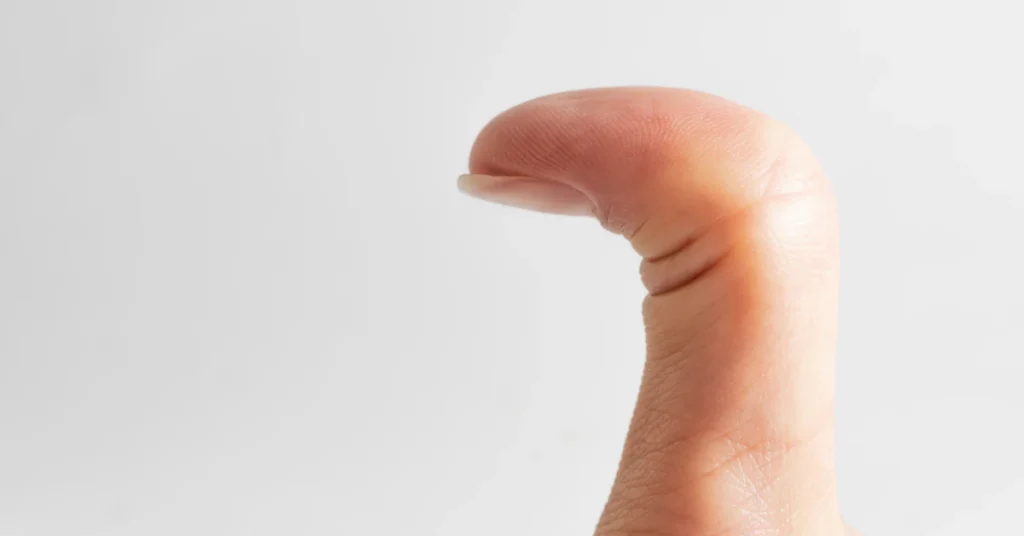
No ruler nearby? Your hand already has one built in.
Here’s how to measure 2 cm without a ruler using what you’ve got:
- Check your thumb. An adult thumb is usually about 1 inch wide, or 2.54 cm. That means 2 cm is just a bit smaller than your thumb’s width, close but not quite the full thing.
- Use your index finger. The width of an adult index finger often lands between 1.5 and 2 cm. For most people, that’s a closer match than the thumb.
- Try the two-finger pinch. Hold your thumb and index finger about a fingertip’s width apart. That small gap is roughly 2 cm once you get a feel for it.
- Compare, don’t guess. The first time you try this, check your estimate against a coin or a ruler. Once you know how your thumb or finger lines up, you’ll be able to eyeball 2 cm accurately every time after that.
Your hand won’t be perfectly exact, but it’s fast, it’s always with you, and it beats guessing blind.
Frequently Asked Questions
What is 2 cm in inches?
2 cm equals approximately 0.79 inches, or just about 3/4 of an inch. It’s close enough that you can round to 3/4 inch for most everyday purposes.
Is 20mm the same as 2cm?
Yes, exactly. There’s no rounding involved here, 20 mm and 2 cm are the same measurement, just written in different units.
Is 2 cm big or small?
It depends entirely on context. For a desk item or a craft project, 2 cm is tiny. For a kidney stone or a skin mole, 2 cm is large enough to need a doctor’s attention.
Conclusion
Next time you need to picture 2 cm, skip the ruler. Grab a penny, a nickel, or a CR2032 battery instead. Your pocket change already has the answer, no measuring required.