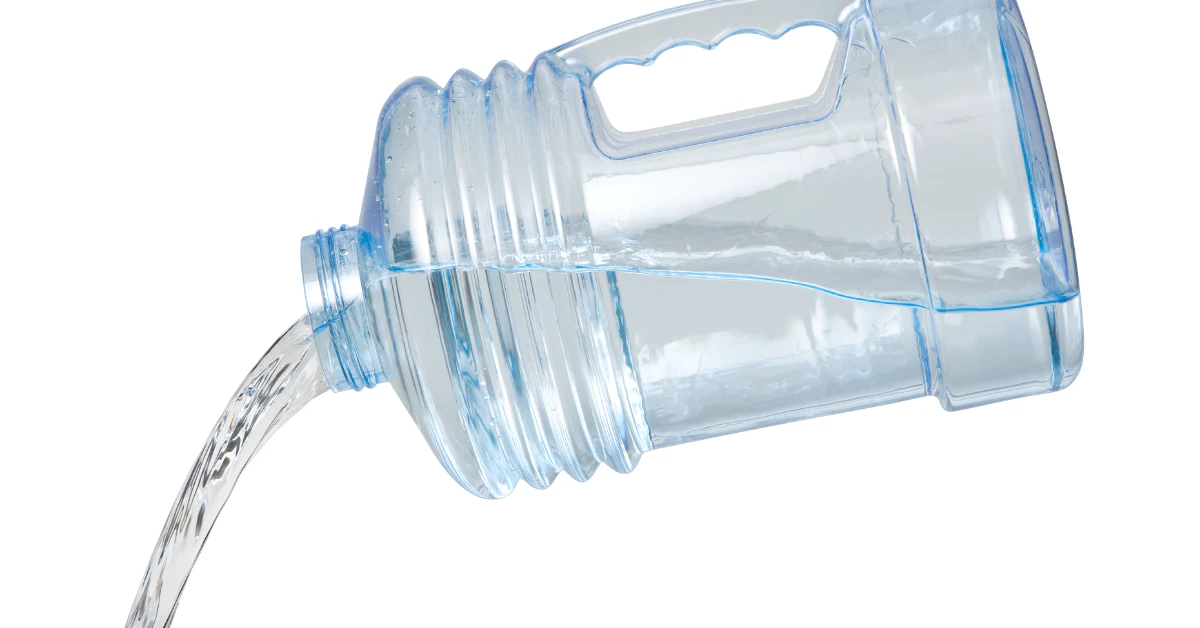
A full 5-gallon jug of water weighs between 43.3 and 43.5 pounds (19.6 to 19.7 kg) if it’s a standard plastic cooler bottle. The water itself makes up 41.7 pounds (18.9 kg) of that total. The empty plastic jug only adds about 1.6 to 1.8 pounds on top.
So how much does a 5 gallon jug of water weigh in real life, once you factor in the container it comes in? For most grocery store brands like Primo or Culligan, 43.5 pounds is the number you can count on. But that number isn’t fixed. Swap in a glass carboy instead of plastic, and the total climbs all the way to 54 pounds.
That’s a 10-pound swing just from material choice, and it matters if you’re lifting, storing, or hauling these jugs regularly. In this guide, you’ll get the exact math behind these numbers, a full weight breakdown by jug material (plastic, HDPE, glass, and military-grade), side-by-side size comparisons, and practical ways to move heavy jugs without hurting your back.
The Exact Math: Water Weight vs. Total Jug Weight
The math behind water weight starts with a single gallon. According to the U.S. Geological Survey (USGS), one US liquid gallon of freshwater weighs 8.33 to 8.34 pounds (3.78 kg) at room temperature. That number holds steady whether you’re filling a cooler jug, a bucket, or a glass carboy.
To find the weight for a 5-gallon container, you just multiply. Five gallons times 8.34 pounds per gallon equals 41.7 pounds, or 18.91 kilograms if you’re working in metric. This is the pure water weight, with no container included yet.
If you’ve ever asked how much does 5 gallons of water weigh in pounds, 41.7 lbs is your answer. For anyone tracking a 5 gallon water jug weight in kg, that’s 18.9 kg flat, give or take a few grams depending on temperature.
It also helps to picture what 5 gallons actually looks like in everyday terms. Here’s how that volume breaks down:
- 18.92 liters (close to nineteen 1-liter bottles lined up)
- 20 quarts, or 40 pints
- 80 standard cups, equal to 640 US fluid ounces
- Roughly 37.8 standard disposable water bottles (16.9 fl oz / 500 ml each)
That’s a lot of water packed into one container, which is exactly why the jug itself can’t be ignored. Many people step on a scale with a full jug and get confused when the number reads higher than 41.7 lbs. The missing piece is tare weight, which is just a fancy term for how much the empty container weighs on its own.
Once you add that tare weight to the water weight, you get the true total you’ll actually be lifting. That’s the number that matters most when you’re deciding whether to carry a jug up the stairs or load it into a cooler dispenser.
5-Gallon Water Jug Weight by Container Material (Empty vs. Full)
Not all 5-gallon jugs are built the same, and that’s something most sites gloss over. If you’re wondering how much does an empty 5 gallon water jug weigh, the honest answer is: it depends entirely on what it’s made of.
A thin PET cooler bottle and a thick glass carboy can both hold 5 gallons, but their empty weights are worlds apart. That gap changes everything once you add 41.7 pounds of water on top. Here’s how the most common container types stack up:
| Container Type | Empty Weight (lbs & kg) | Water Weight | Total Full Weight (lbs & kg) |
| Standard BPA-Free PET / Polycarbonate Cooler Jug (Primo / Culligan) | 1.6 – 1.8 lbs (730–820g) | 41.7 lbs | 43.3 – 43.5 lbs (19.6 – 19.7 kg) |
| 5-Gallon Utility Bucket with Lid (Home Depot / Lowe’s HDPE) | 2.0 – 2.5 lbs (0.9–1.1 kg) | 41.7 lbs | 43.7 – 44.2 lbs (19.8 – 20.0 kg) |
| Heavy-Duty Camping / Military Jerry Can (Scepter HDPE) | 3.6 – 4.3 lbs (1.6–1.95 kg) | 41.7 lbs | 45.3 – 46.0 lbs (20.5 – 20.8 kg) |
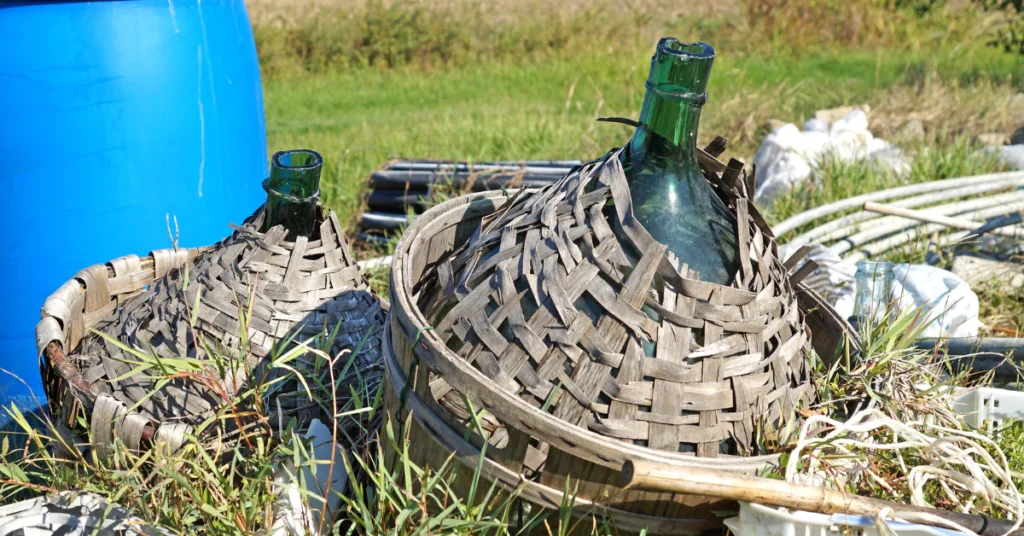
| 5-Gallon Glass Carboy (Homebrewing / Plastic-Free Dispenser) | 11.25 – 12.4 lbs (5.1–5.6 kg) | 41.7 lbs | 53.0 – 54.1 lbs (24.0 – 24.5 kg) |
| Collapsible Camping Water Cube (Soft LDPE) | 0.4 – 0.6 lbs (180–270g) | 41.7 lbs | 42.1 – 42.3 lbs (19.1 – 19.2 kg) |
Plastic Dispenser Jugs vs. Glass Carboys
The biggest weight gap on this list is between standard plastic jugs and glass carboys. A typical Buckeye or Primo-style PET bottle weighs around 792 grams with its handle, or about 1.75 pounds empty. A glass carboy, by comparison, can weigh over 12 pounds before you add a single drop of water.
That’s roughly a 10-pound difference before you even fill either one. Once both are full, the plastic jug lands around 43.5 pounds, while the glass carboy tops out near 54 pounds. That extra weight isn’t just inconvenient, it’s a real safety concern.
Glass carboys should never be lifted by the neck alone, especially when full. The combination of heavy glass and a slippery, wet surface makes neck-only lifts a common way to drop and shatter one. Always support the base with your other hand or use a dedicated carboy handle.
How Heavy Is 43.5 Pounds? Real-Life Weight Comparisons
Numbers on a page don’t always mean much until you compare them to things you already know. At 43.5 pounds, a full 5-gallon jug lands right in the same range as several familiar household items. Picturing these side by side makes the weight feel a lot more real.
Here’s what 43.5 pounds actually compares to:
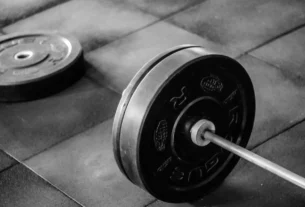
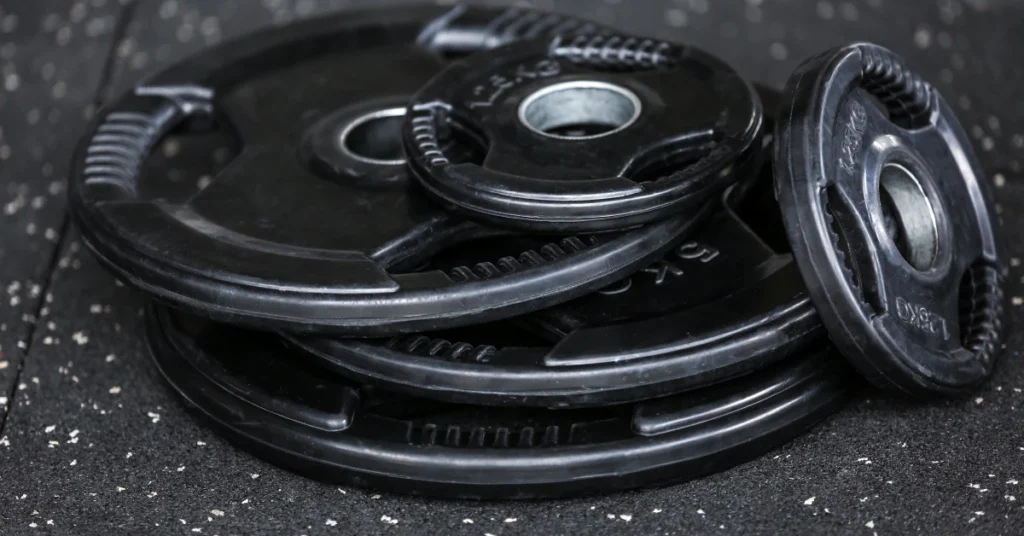
- A standard gym plate: Nearly identical to a 45-pound Olympic barbell plate, minus the flat, grippy edges that make it easy to carry.
- Pet food or cat litter: A touch heavier than a 40-pound bag of dog food or a large box of clumping cat litter.
- Water softener salt: Just under a typical 40- to 50-pound bag of Morton water softener pellets.
- A young child: Close to the average weight of a typical American kindergartener, around 4 to 5 years old.
- Checked airline luggage: Just under the 50-pound overweight limit most major US airlines enforce.
Even though these items weigh about the same, lifting a water jug feels different, and harder. A gym plate, a bag of salt, or a suitcase stays solid and predictable in your hands. Water doesn’t.
As you tilt or walk with a full jug, the liquid inside shifts and sloshes, throwing off your balance mid-lift. That sudden shift in weight is why a 43.5-pound jug can feel clumsier and riskier to carry than a rigid suitcase of the exact same weight.
Water Jug Weight Chart by Size (1 to 10 Gallons + Bulk Storage)
Sometimes a 5-gallon jug isn’t the right size, and comparing options across sizes helps before you buy. Whether you’re sizing up a fridge dispenser or stacking jugs for emergency storage, here’s how the weight scales as volume goes up.
| Container Size | Volume (Liters / Fl Oz) | Water Weight Only | Total Weight (With Plastic Jug) |
| 1 Gallon | 3.78 L (128 oz) | 8.34 lbs | ~8.6 lbs (3.9 kg) |
| 2.5 Gallons (Fridge Dispenser) | 9.46 L (320 oz) | 20.85 lbs | ~21.5 lbs (9.8 kg) |
| 3 Gallons (Compact Cooler Jug) | 11.35 L (384 oz) | 25.02 lbs | ~26.2 lbs (11.9 kg) |
| 5 Gallons (Standard Cooler Jug) | 18.92 L (640 oz) | 41.70 lbs | ~43.5 lbs (19.7 kg) |
| 6 Gallons (Camping / RV Jug) | 22.71 L (768 oz) | 50.04 lbs | ~52.5 lbs (23.8 kg) |
| 10 Gallons (Two 5-Gal Jugs / Beverage Cooler) | 37.85 L (1,280 oz) | 83.40 lbs | ~87.0 lbs (39.5 kg) |
Looking at the 3 gallon vs 5 gallon water jug weight difference, a 3-gallon jug comes in about 17 pounds lighter when full. That’s a meaningful difference if you’re choosing a size for a countertop dispenser or a smaller RV fridge, where every pound of payload counts.
Garage Shelves, Racks, and RV Payload Math
Once you start storing multiple jugs, the pounds add up fast. A 3-jug rack holding standard 5-gallon jugs weighs around 130.5 pounds total. Bump that to 4 jugs, and you’re looking at roughly 174 pounds sitting on one shelf.
Go bigger for emergency prep, and the numbers climb even higher. Storing 10 jugs, or 50 gallons of water, adds about 435 pounds to whatever is holding them. That’s more than enough weight to bend cheap wire shelving or bow a budget garage rack.
The same math matters for RVers and overlanders watching cargo carrying capacity. A few extra jugs might seem harmless, but 435 pounds of water storage can quietly eat into payload limits meant for gear, passengers, and fuel.
Does Temperature, Ice, or Minerals Change the Weight?
Temperature does change water’s weight, but not by much. Water is at its heaviest and densest at 39.2°F (4°C), where 5 gallons weighs 41.72 pounds. At a normal room temperature of 70°F, that same 5 gallons weighs 41.65 pounds.
Heat it up to 100°F, and the molecules spread out just slightly, bringing the weight down to 41.44 pounds. That’s a difference of only about a quarter pound between ice-cold and hot water. In everyday terms, temperature just isn’t something you need to worry about.
Freezing is a different story, and it trips a lot of people up. If you freeze an already-full 5-gallon jug, the weight itself doesn’t change, it’s still 41.7 pounds of water. But ice takes up about 9% more space than liquid water, and that expansion can bulge or crack a sealed rigid jug.
Now, if you instead pack a 5-gallon container to the brim with solid ice cubes, the math flips. Because ice is roughly 9% less dense than liquid water, that same 5-gallon volume of solid ice only weighs about 38.2 pounds (17.3 kg).
As for water type, purified, tap, and spring water all weigh almost exactly the same in a 5-gallon jug, with less than an ounce of difference between them. Saltwater is the outlier. Five gallons of ocean saltwater weighs about 42.7 pounds, roughly a pound heavier than fresh water, thanks to the dissolved salt adding extra mass.
Why 5-Gallon Jugs Feel So Heavy (And How to Lift One Safely)

If you’ve ever wondered whether a 5 gallon water jug is too heavy to lift, the honest answer is that it’s not about the weight alone, it’s about how awkward that weight is to control. Water sloshes as you tilt the jug, and that movement shifts the center of gravity mid-lift without warning.
The jug’s shape works against you too. At 10.7 inches wide and 19.5 inches tall, that smooth barrel is too fat to hug close to your body, which forces your arms to extend outward. Add the chest-high inversion needed to flip a jug onto a top-loading cooler, and you’ve got a recipe for strained muscles.
This isn’t just a personal annoyance, it’s a recognized workplace safety concern. According to CDC / NIOSH Ergonomic Lifting Guidelines, the NIOSH Lifting Equation sets an ideal two-handed lift cap at 51 pounds under perfect conditions. But once you factor in a shifting liquid load lifted above waist height with extended arms, that safe threshold drops closer to 35 pounds, well under the 43.5-pound weight of a full jug.
5 Steps to Load a Top-Load Water Cooler Without Hurting Your Back
- Peel the sticker, leave the non-spill cap on. If your cooler uses a central piercing probe, only remove the sanitary tab on top. Taking off the entire cap risks a surprise spill.
- Straddle the jug close to the cooler. Stand with your feet shoulder-width apart right beside the dispenser, so you never have to walk while holding 43 pounds at chest height.
- Use a two-point grip. Place one hand on the neck or built-in handle, then slide the other hand underneath the bottom rim once you’ve tilted it.
- Drive through your legs, not your lower back. Bend at the knees and hips, hug the bottle against your chest, and stand up using your leg muscles.
- Pivot and drop straight down. Line up the neck with the cooler probe and lower it in one smooth motion, avoiding any twist in your spine.
4 Easy Alternatives If a 5-Gallon Jug Is Too Heavy to Lift

You don’t need to lift 43.5 pounds every time you need a glass of water. These four budget-friendly fixes solve the problem without pushing you toward an expensive plumbing installation.
Switch to a bottom-loading water dispenser. Instead of flipping the jug onto a top-mount probe, you slide it into a lower cabinet at floor level. A built-in pump wand pulls the water up, so there’s no lifting at all.
Use a USB rechargeable tabletop water pump. These small pumps cost around $15 and sit directly on the 5-gallon crown neck, whether the jug is on the floor or a counter. Press a button, and water dispenses on demand, no heavy cooler required.
Downsize to 3-gallon water jugs. A full 3-gallon jug weighs just 26.2 pounds compared to 43.5 pounds for a 5-gallon jug, a weight savings of nearly 40%. It still fits the same standard 55mm cooler probe, so you won’t need new equipment.
Grab a 5-gallon bottle carrier handle tool. For around $10, this ergonomic ring handle locks onto the 55mm neck, giving you a natural, upright grip instead of pinching the slick plastic neck with your fingers.
If you’re outfitting a busy office, it’s also worth looking into point-of-use bottleless coolers, which connect straight to a water line and skip jugs entirely.
Frequently Asked Questions
How heavy is a 5-gallon water jug in kg?
A full 5-gallon plastic water jug weighs 19.6 to 19.7 kilograms (43.3 to 43.5 lbs). The water inside accounts for 18.91 kilograms (41.7 lbs), while the empty plastic bottle adds about 0.7 to 0.8 kilograms.
How much does an empty 5-gallon Primo or Culligan bottle weigh?
An empty 5-gallon BPA-free PET or polycarbonate water cooler bottle weighs 1.6 to 1.8 pounds (730 to 820 grams). A 5-gallon glass carboy is much heavier empty, coming in at 11.25 to 12.4 pounds.
How many regular 16.9 oz water bottles are in a 5-gallon jug?
One 5-gallon water jug holds 640 fluid ounces, equal to about 37.87 standard 16.9-ounce (500 ml) single-use bottles. Switching to one 5-gallon jug keeps roughly 38 plastic bottles out of the trash.
How long does a 5-gallon jug of water last for one person?
Since 5 gallons equals 80 eight-ounce cups, a single person drinking the standard 8 cups a day will finish one jug in about 10 days. For a family of three, that same jug typically lasts 3 to 4 days.
Is a 5-gallon bucket of water the same weight as a 5-gallon cooler jug?
The water itself weighs the same 41.7 pounds in either container. A 5-gallon hardware store bucket with a lid is slightly heavier empty (2 to 2.5 pounds), bringing its full weight to 43.7 to 44.2 pounds.
Conclusion
At the end of the day, the number on the scale depends on what’s holding your water. A standard plastic jug lands around 43.5 pounds full, but switch to a glass carboy and you’re hauling closer to 54 pounds. Knowing the exact breakdown, by material, size, and temperature, means you can plan your storage, your shelving, and your lifting technique with confidence instead of guesswork. And if 43.5 pounds is simply more than you want to manage, a bottom-loading dispenser or a 3-gallon downsize can take the strain out of staying hydrated.