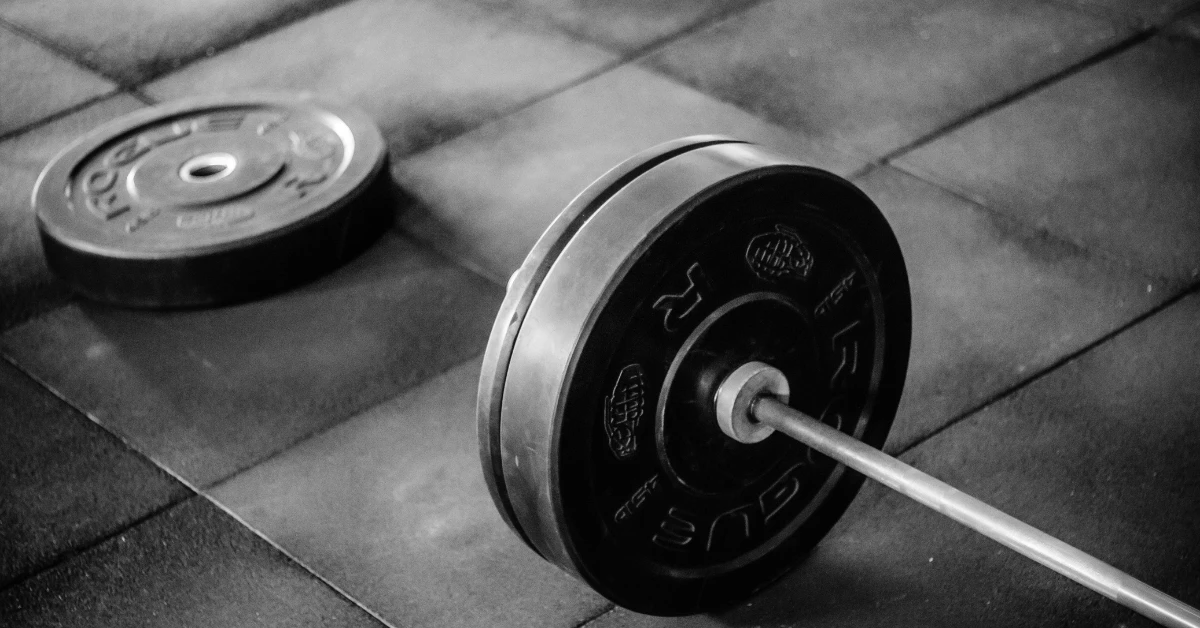
A standard gym barbell weighs 45 pounds. That’s the number you’ll see at almost every commercial gym in the USA, the one used for bench press, squats, and deadlifts. In kilos, that’s 20 kg. If your bar looks thinner or shorter, keep reading before you add up your total.
So how much does the bar weigh on your specific setup? It depends on the type. Most guys asking this question are mid-workout, trying to figure out if their “225 bench” actually includes the bar or not. Short answer: yes, it does.
But not every bar is 45 lbs. Women’s Olympic bars, EZ curl bars, Smith machines, and trap bars all weigh different amounts. This guide breaks down every type you’ll run into, so you stop guessing and start calculating your real numbers.
The Standard vs. Olympic Barbell Weights
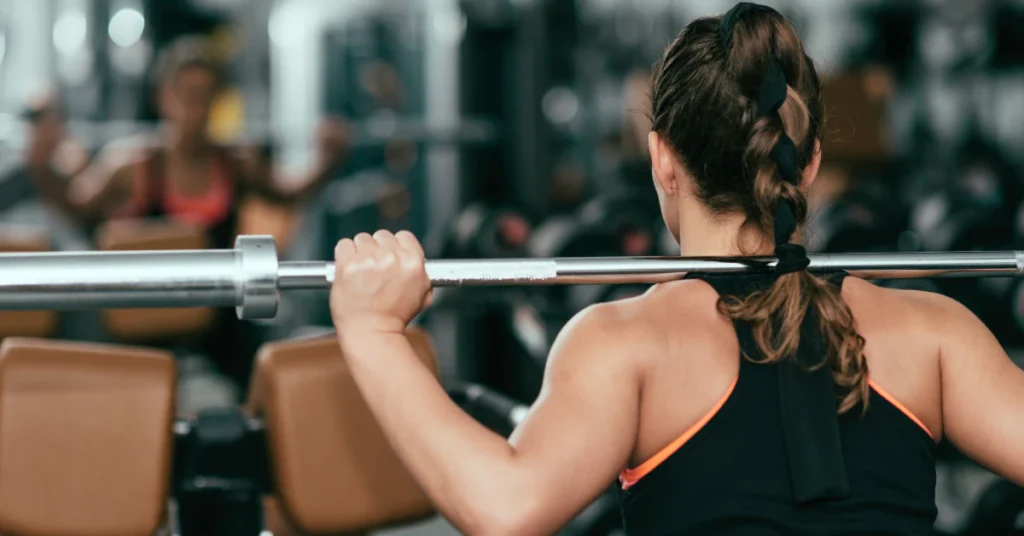
Not all barbells are built the same, and that’s where most of the confusion starts. The two main types you’ll deal with are Olympic bars and standard bars, and they’re not even close in weight or design.
Olympic bars are what you’ll find in almost every commercial gym and home gym setup. The men’s version weighs 45 lbs (20 kg) and has a 28mm diameter grip. It’s built for heavy lifting, with rotating sleeves that spin freely when you load plates on.
The women’s Olympic bar is lighter and thinner. It weighs 35 lbs (15 kg) and has a 25mm diameter. This is the bar you’ll usually see in the squat rack at a CrossFit box or in Olympic lifting platforms. If your gym bar feels thinner than the one your buddy uses, this is probably why.
Bar specs like these follow standards set by manufacturers such as Eleiko, who supply equipment for Olympic lifting and competitions worldwide. That’s why weights stay consistent no matter which gym you walk into, as long as it’s a true Olympic bar.
Then there’s the standard bar, sometimes called a 1-inch bar because of its thinner sleeve size. These are common in older home gyms or budget equipment, and they weigh anywhere from 15 to 25 lbs. They don’t spin like Olympic bars, and they can’t handle as much weight before bending.
Here’s a quick breakdown:
| Bar Type | Weight in LBS | Weight in KG | Best For |
| Men’s Olympic Bar | 45 lbs | 20 kg | Bench, squat, deadlift |
| Women’s Olympic Bar | 35 lbs | 15 kg | Olympic lifts, smaller frames |
| Standard Bar (1-inch) | 15-25 lbs | 7-11 kg | Home gyms, light lifting |
If you’re asking how much does a barbell weigh in kg, just remember the two main numbers: 20 kg for men’s Olympic bars and 15 kg for women’s. The empty barbell weight in kg matters most when you’re loading metric plates, which are common outside the USA.
Knowing which bar you’re using changes your math completely. A 225 lb bench with a women’s bar means you’re actually lifting 10 lbs more than you’d think with a men’s bar.
How Much Do Specialty Gym Bars Weigh?
Once you move past the basic barbell, things get more varied. Specialty bars are built for specific lifts, and their weight changes based on shape and purpose.
The EZ Curl Bar (15 to 25 lbs)
The EZ curl bar has that zigzag shape you see near the dumbbell rack. It’s shorter than a standard bar and made for bicep curls, tricep extensions, and skull crushers.
Most EZ curl bars weigh between 15 and 25 lbs, depending on the brand and thickness. The angled grips reduce wrist strain, which is exactly why lifters reach for this bar over a straight one for arm work.
If you’re doing curls and wondering why your “50 lb curl” feels heavier than expected, check the bar first. A 25 lb EZ bar plus 25 lbs in plates is already 50 lbs total.
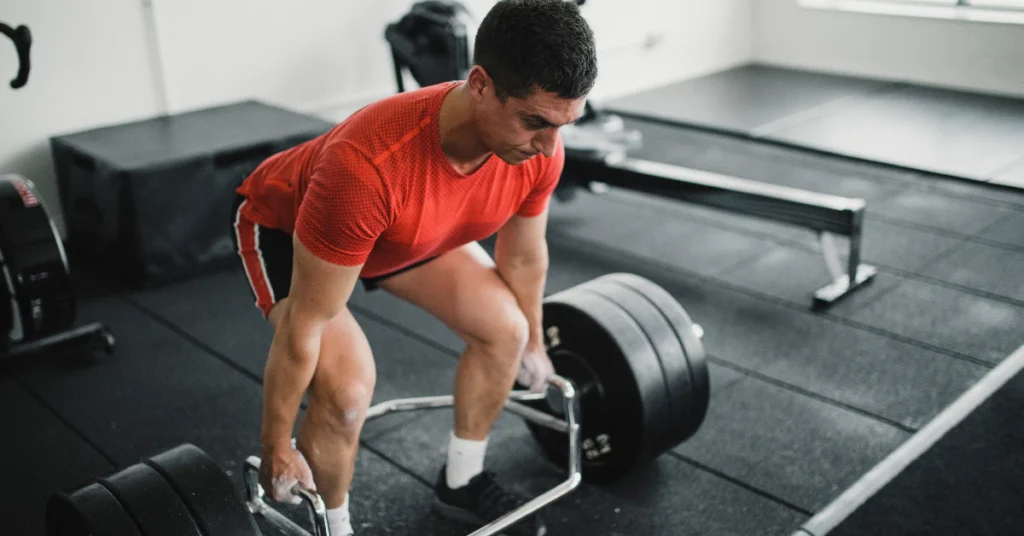
The Trap Bar / Hex Bar (45 to 60 lbs)
Trap bars, also called hex bars, are the hexagon-shaped bars used for deadlifts and shrugs. You step inside the frame instead of standing behind the bar.
These bars weigh more than standard Olympic bars, usually between 45 and 60 lbs. The extra weight comes from the added metal framing needed to build that hexagon shape and the raised handles.
Brands like Rogue Fitness make trap bars in the 60 lb range, which is now considered an industry standard for serious lifters. Always check the weight stamped on the bar itself, since this one varies more than most.
Trap bar deadlifts are popular because they’re easier on the lower back. Beginners often start here before moving to a straight bar deadlift.
The Safety Squat Bar (60 to 70 lbs)
The safety squat bar has thick padding and forward handles, making it look bulkier than a regular squat bar. That extra padding and the U-shaped yoke design add real weight.
These bars typically weigh 60 to 70 lbs, almost double a standard Olympic bar. Powerlifters and athletes with shoulder issues use this bar because it takes pressure off the wrists and upper back during squats.
If you’re loading a safety squat bar the same way you’d load a regular bar, you’ll come up short on your total. Always add the extra 15 to 25 lbs to your math.
The Deadlift Bar (Usually 45 lbs, but longer and more flexible)
A deadlift bar looks like a standard Olympic bar but it’s longer and has more whip, meaning it flexes more under heavy load. It still weighs 45 lbs in most cases.
The extra length and flex help lifters get the bar moving off the floor, which matters most in competition deadlifts. So if you’re asking how much does the bar weigh deadlift, the answer matches the standard men’s bar.
This is different from asking how much does the bar weigh squat rack, since squat setups usually use a standard Olympic bar or a safety squat bar instead.
The Smith Machine & Planet Fitness Dilemma
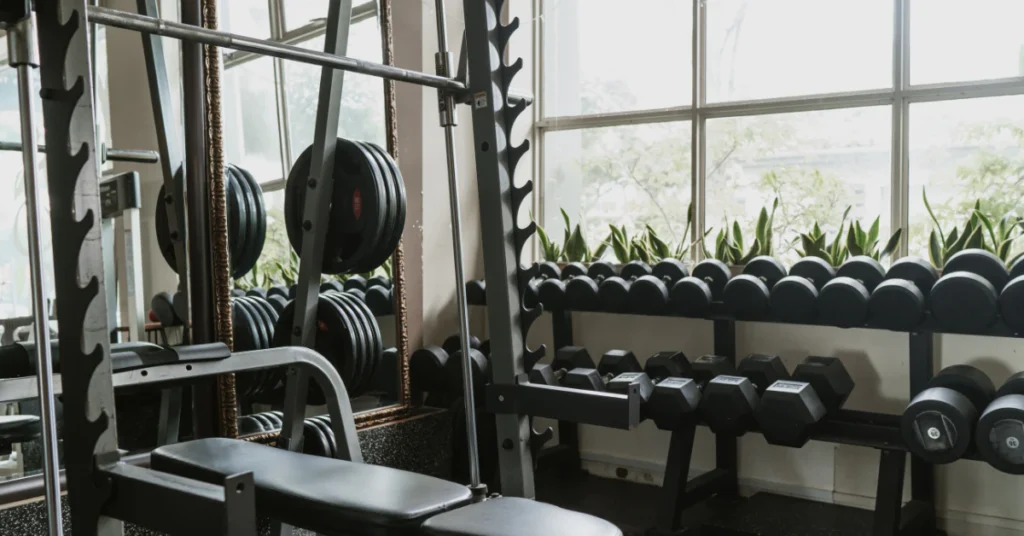
This is where most gym math falls apart. Smith machine bars are attached to a fixed track with a counterweight system, which means they don’t weigh anywhere near a standard 45 lb bar.
So how much does the bar weigh on a Smith machine? Most fall between 15 and 25 lbs, but the exact number depends on the machine’s brand and how the counterbalance is calibrated. Some machines are designed to feel weightless with zero plates loaded, which throws off your math even more.
Here’s what you need to know about Smith machine bars:
- The counterweight system offsets part of the bar’s true weight, so the bar you lift feels lighter than it actually is.
- Weight can range from 15 to 45 lbs depending on the manufacturer and the machine’s age.
- There’s no universal number, so the same exercise on two different machines can mean two different totals.
- Always check for a sticker or stamp on the machine itself, since some gyms label the starting weight.
Now, about Planet Fitness specifically. This is one of the most searched questions in gym forums, and for good reason since Planet Fitness has thousands of locations across the USA.
How much does the bar weigh at Planet Fitness? Based on widespread member reports and gym equipment specs, Planet Fitness Smith machine bars are generally rated at 15 to 20 pounds starting weight. This isn’t an official published number, so it can vary slightly by location and machine model.
If you want the most accurate answer for your specific gym, ask a staff member or check the equipment tag directly. You can also review general equipment standards on the Planet Fitness website, though exact bar weight isn’t always listed publicly.
The bottom line: never assume a Smith machine bar matches a free-weight barbell. Treat every Smith machine like its own separate calculation, especially if you’re tracking progress over time or comparing lifts between gyms.
Why Bar Weight Matters & How to Check It
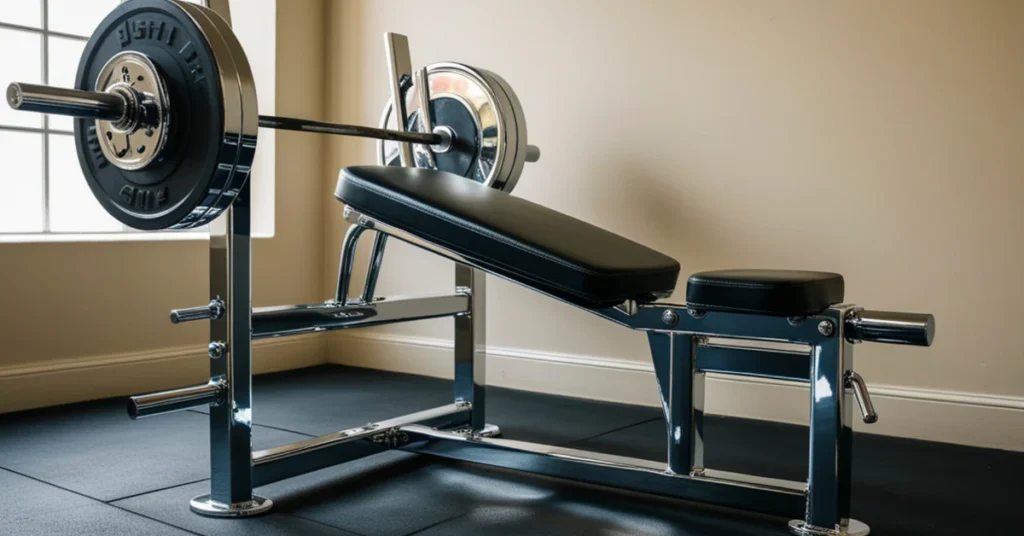
Getting the bar weight right isn’t just a technicality. It affects how you track progressive overload, which is the whole point of getting stronger over time.
If you think you’re benching 135 lbs but you’re actually on a 35 lb women’s bar with 100 lbs of plates, your real numbers are off. That gap adds up fast, especially when you’re comparing lifts across weeks or months.
Injury risk is the other big reason this matters. Underestimating bar weight during a max attempt can mean loading more than you’re ready for, since you didn’t account for the extra pounds already on the bar.
So how do you check? Start with the sleeves. Most Olympic bars have their weight stamped near the collar or sleeve end, though it’s sometimes worn down on older equipment.
Here’s a quick checklist:
- Look for a stamp or engraving near the bar’s collar.
- Ask gym staff, especially at commercial gyms where equipment varies by machine.
- Use a bathroom or gym scale to weigh the empty bar yourself if you’re unsure.
- Check the manufacturer’s website if you know the bar’s brand.
A lot of lifters also ask how much does the bar weigh without weights, meaning the empty bar before any plates go on. That number is your baseline, and it’s the one you should always know first.
For bench press specifically, how much does the bar weigh bench press comes down to which bar your gym uses on that rack. Most commercial gyms stick with a 45 lb Olympic bar for bench stations, so that’s a safe starting assumption until you confirm otherwise.
Knowing your bar means knowing your real numbers. That’s worth the extra 30 seconds every time.
Frequently Asked Questions
Are all bars 45 pounds?
No. The 45 lb weight only applies to standard men’s Olympic bars, which are the most common type in commercial gyms. Women’s Olympic bars weigh 35 lbs, EZ curl bars run 15 to 25 lbs, and Smith machine bars can be as low as 15 lbs. Always check which bar you’re using before assuming it’s 45.
Is the bar 25 pounds?
Sometimes, but only for specific bars. EZ curl bars and some standard 1-inch bars can weigh up to 25 lbs. Smith machine bars also sometimes land in this range depending on the counterweight setup. A true Olympic bar for bench, squat, or deadlift is never 25 lbs.
Does benching 225 include the bar?
Yes, always. When someone says they benched 225, that total includes the 45 lb bar plus the plates loaded on both sides. Here’s the math: a 45 lb bar plus two 45 lb plates on each side equals 45 + 45 + 45 + 45 + 45 = 225 lbs. Each side holds one 45 lb plate, so you’re adding 90 lbs per side plus the bar itself. This is the standard way lifters calculate total weight, and it’s the number used in gyms, competitions, and strength programs across the USA.
Is the bar 10 or 20 kg?
A standard men’s Olympic bar is 20 kg. The 10 kg version is a youth or technique bar, used mostly by beginners and younger lifters learning proper form before moving to heavier bars. If you’re wondering how much does bench press bar weigh kg, the answer for most commercial gyms is 20 kg.
How to tell if a bar is 15 or 20 kg?
Check the sleeve or collar first, since many bars have their weight stamped there. If there’s no visible marking, look at the diameter. A 20 kg bar has a 28mm grip, while a 15 kg bar has a thinner 25mm grip. When in doubt, weigh it on a gym scale.
Are all bench press bars 20 kg?
Most commercial gyms use a 20 kg (45 lb) bar for bench press stations. But this isn’t universal. Some gyms, especially CrossFit boxes, may have a 15 kg women’s bar set up instead. If your bench numbers feel off, confirm which bar your gym uses before trusting your math.
Conclusion
Knowing your bar weight isn’t optional if you’re serious about tracking progress. Whether you’re on a 45 lb Olympic bar, a 35 lb women’s bar, or a Smith machine with a counterweight system, the number changes your real total every time. Check the sleeve, ask staff, or weigh it yourself, then use that baseline for every lift going forward. It’s a small step that keeps your numbers honest and your training on track.