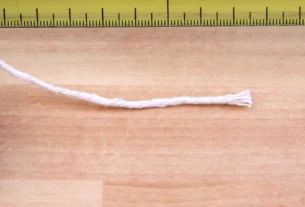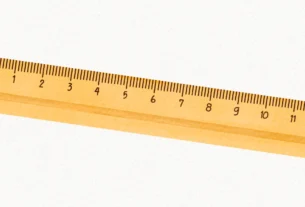

Seven inches equals 17.78 cm, 177.8 mm, or 0.583 feet. That’s the exact answer if you need it fast. But numbers alone don’t help much when you’re trying to picture a size in real life. How long is 7 inches, really? Think of a classic 7-inch vinyl record. Its diameter is exactly 7 inches, no rounding needed.
This guide skips vague comparisons like “a small banana” or “an average hand.” Those change from person to person, so they’re not much use. Instead, you’ll get standardized items with fixed, verified sizes. Think currency, credit cards, and tech screens. These are things most Americans already own or can find in seconds.
By the end, you’ll be able to measure 7 inches without touching a ruler. Just grab something from your wallet or desk, and you’re set.
What Does 7 Inches Look Like Visually?

Numbers on a screen don’t always stick in your head. Real objects do. Here are the best objects that are 7 inches long, each with a fixed size you can trust.
A 7-Inch Vinyl Record
This one is the gold standard. A classic 45 RPM vinyl record has a diameter of exactly 7 inches. No estimate, no range. If you own one, or know someone who collects music, you already have a perfect reference sitting in a closet somewhere.
Amazon Kindle Oasis Screen
The Kindle Oasis has a screen that measures exactly 7 inches diagonally. If you or a family member owns one, hold it up. That diagonal line from corner to corner is your 7-inch mark. This works well for anyone shopping for tablets or e-readers, since screen sizes are always listed by diagonal measurement.
A Sharpened #2 Pencil
A brand new, unsharpened #2 pencil is typically 7.5 inches long. But here’s a useful trick: after one or two trips through a sharpener, that same pencil drops down to almost exactly 7 inches. Check the pencil cup on your desk. There’s a good chance one of them is already close to this length.
A Standard Butter Knife
Most butter knives in a kitchen set range between 6.5 and 7 inches. This won’t be as exact as the other items on this list, but it’s a fast, no-hassle way to get a rough sense of the length if you’re standing in your kitchen and need a quick visual.
Two Credit Cards, Side by Side
This is one of the easiest ways to visualize 7 inches, since almost everyone carries a card. A standard CR80 credit or debit card measures 3.375 inches long. Lay two of them end to end, and you get 6.75 inches, just a hair under 7. Pull two cards from your wallet right now and line them up. You’ll see how close that gets you.
A Dollar Bill Plus a Nickel
Here’s a hack that works almost anywhere in the USA. Every US paper bill, whether it’s a $1, $5, $10, or $20, measures exactly 6.14 inches long. A US nickel adds 0.835 inches across its diameter. Line a bill up end to end with a nickel, and you land at 6.975 inches, close enough to call it 7 inches.
Why These Objects Work Best
Most guides use things like “a small banana” or “an average hand.” The problem is that hands and bananas are never the same size twice. The items above are different. They’re manufactured to fixed, standardized dimensions, so what you picture is what you actually get. That’s what makes this method reliable for anyone learning how to visualize 7 inches without pulling out a tape measure.
How to Measure 7 Inches Without a Ruler

No ruler nearby? That’s fine. You can still get a near-exact reading using things you probably already have on you. Here’s how to measure 7 inches without a ruler using two simple methods.
The Currency Trick
This is the most accurate no-ruler method on this list, and it uses items almost every American carries.
Here’s how it works:
- Every standard US paper bill ($1, $5, $10, or $20) measures exactly 6.14 inches long.
- A US nickel has a diameter of 0.835 inches, based on official US Mint currency specifications.
- Place the nickel right at the end of the bill, lined up in the same direction.
- Add the two lengths together: 6.14 + 0.835 = 6.975 inches.
That’s basically a perfect 7 inches, off by only 0.025 inches. For everyday purposes, like checking if a package will fit in a mailbox slot or comparing a product photo online, that tiny gap doesn’t matter.
Steps to try it yourself:
- Pull any paper bill from your wallet.
- Find a nickel. Check your coin jar or ask a cashier for one in change.
- Lay the bill flat on a table.
- Place the nickel directly against the short edge of the bill.
- The combined length is your 7-inch mark.
This method works anywhere in the country, since bill sizes and coin sizes are fixed by the US Mint and don’t vary by state or bank.
The Hand Method
This one is quicker but less precise. The average adult male hand, measured from the wrist crease to the tip of the middle finger, runs about 7.4 to 7.6 inches. That’s slightly longer than 7 inches, so it works as a rough upper-limit guide rather than an exact match.
To use it:
- Stretch your hand out flat, fingers together.
- Measure mentally from your wrist crease to your middle fingertip.
- Trim a small amount off that length in your mind, since your hand runs a bit past 7 inches.
This method is best when you’re in a hurry and just need a ballpark idea, like judging if a shelf gap or a box opening looks roughly right. For anything that needs precision, like online shopping or a DIY cut, stick with the currency trick instead.
7 Inches in Different Units

Here’s the exact conversion for 7 inches across the units you’re most likely to need.
| Unit | Value |
| Centimeters | 17.78 cm |
| Millimeters | 177.8 mm |
| Feet | 0.5833 ft |
| Meters | 0.1778 m |
Knowing 7 inches in cm matters more than most people expect, especially in the USA. Plenty of products, from electronics to furniture, are made overseas and listed in metric units on the packaging or spec sheet. If you’re comparing a US-made item to an imported one, or filling out a form that asks for centimeters instead of inches, having this conversion ready saves you from pulling out a calculator. It’s also useful for school assignments, science projects, or any task where switching between the US customary system and the metric system comes up. Once you know 7 inches equals 17.78 cm, you can quickly scale that up or down for other measurements too.
Common Mistakes When Estimating 7 Inches

A lot of guides tell you to picture “a small banana” or “an average hand” when estimating length. This sounds helpful, but it’s not.
Bananas vary a lot. A small one might run 5 inches. A large one can stretch past 8. There’s no fixed standard, so using one as a size reference is basically a guess dressed up as a fact.
Hands have the same problem. An adult hand can range from 6.5 to 7.6 inches depending on the person, their age, and their sex. If you use your own hand as a guide, someone else using theirs will land on a different number entirely. That’s not measuring. That’s guessing twice.
This is where most online guides fall short. They lean on examples that feel familiar but shift from person to person, day to day. You end up with a “close enough” answer that isn’t actually close enough when it matters, like ordering a part online or checking if something fits in a tight space.
Standardized items solve this problem. A US dollar bill is always 6.14 inches, no matter who’s holding it. A CR80 credit card is always 3.375 inches. A 45 RPM vinyl record is always exactly 7 inches across. These sizes are set by manufacturing specs, not biology, so they don’t change based on who you are or where you live.
The takeaway is simple: skip the produce aisle and skip your own hand. Reach for something with a fixed size instead, like a bill, a card, or a record. You’ll get a number you can actually rely on, not just a rough feeling of “about right.”
FAQs
What is 7 inches in cm?
7 inches equals exactly 17.78 cm.
Is 7 inches big or small?
It depends on the object. For a tablet or e-reader screen, 7 inches is on the smaller side. For a knife blade or a tool, 7 inches counts as fairly long.
Is 7 inches common in daily life?
Yes. It’s a standard, ergonomic size for many everyday items, like pencils, butter knives, and small handheld tools. That’s part of why it shows up so often in product dimensions.
What objects are about 7 inches long?
A few reliable examples: a 45 RPM vinyl record (exactly 7 inches across), an Amazon Kindle Oasis screen (exactly 7 inches diagonally), and the dollar-bill-plus-nickel hack, which lands at 6.975 inches.
Conclusion
Guessing length with a banana or a hand never gives you a real answer. Standardized items do. Whether you use a vinyl record, a credit card, or the dollar-and-nickel trick, you now have reliable ways to picture 7 inches accurately, backed by fixed, verifiable dimensions rather than rough guesses. For broader measurement standards, see NIST standards.