Thirty inches equals 2.5 feet, or 76.2 centimeters if you’re working in metric. That’s the short answer. But numbers on a page don’t always click until you connect them to something real, something you can walk over to right now and look at.
This guide skips the weird comparisons nobody asks for. No football fields, no random trivia. Instead, you’ll see how long is 30 inches using things already sitting in your house: your kitchen stove, your bathtub, even your bedroom door.
If you’re mid-project right now, maybe measuring a space for a new appliance or double-checking an online order, you’re in the right spot. We’ll break down the exact math, then walk through real US household items that measure exactly 30 inches, so you can eyeball it without ever touching a tape measure.
30 Inches in Different Units

Before we get into real-world objects, let’s nail down the exact numbers. Here’s how 30 inches breaks down across the units you’ll actually run into, whether you’re reading a US tape measure or a metric one.
| Unit | Value |
| Feet | 2.5 ft |
| Centimeters | 76.2 cm |
| Millimeters | 762 mm |
| Yards | 0.833 yd |
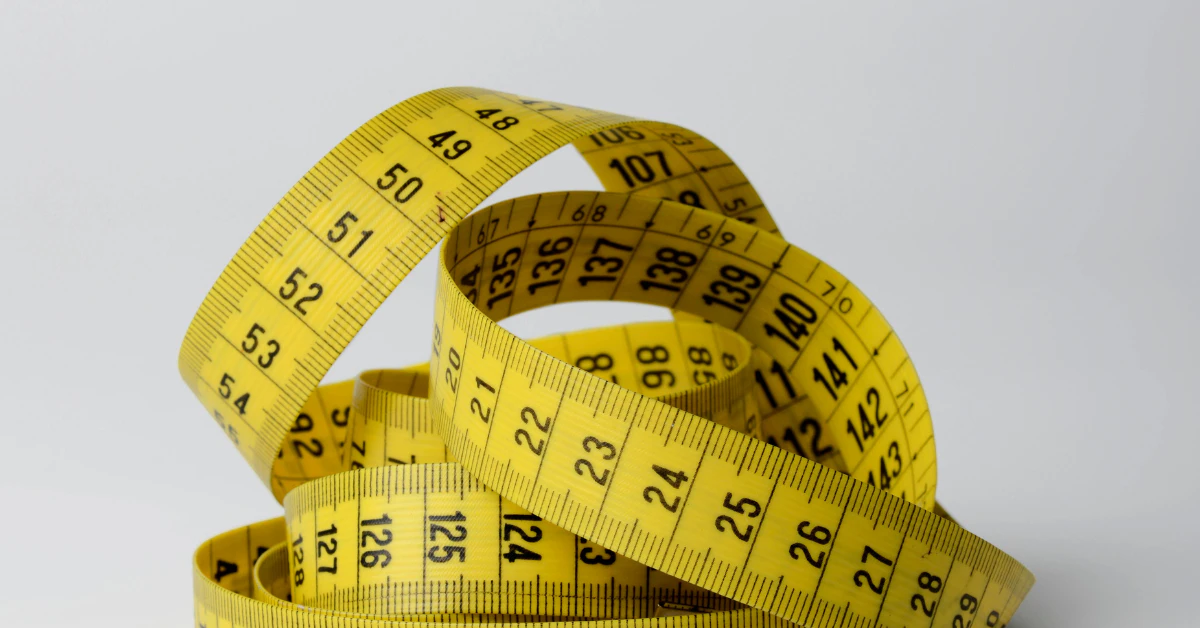
The easiest way to think about 30 inches in feet is simple division. Since one foot equals 12 inches, dividing 30 by 12 gives you 2.5 feet flat. No rounding needed, no messy decimals. It’s exactly two and a half feet, every time.
For 30 inches in cm, the math works a little differently because you’re converting between two totally different systems. One inch equals 2.54 centimeters, so multiplying 30 by 2.54 gives you 76.2 cm. That number shows up a lot on product labels for TVs, appliances, and furniture sold in the US, since many brands list both units side by side.
Knowing both conversions matters because American tape measures use inches and feet, while a lot of imported products list centimeters. Once you have both numbers memorized, you’ll never be stuck doing math in a store aisle again.
7 Common Everyday Objects That Are Exactly 30 Inches Long
Numbers stick better when they’re tied to something you can touch. Here are seven objects that are 30 inches long, all pulled from real US homes, stores, and sports fields. Once you’ve seen a few of these, you’ll never need a tape measure to eyeball 30 inches again.
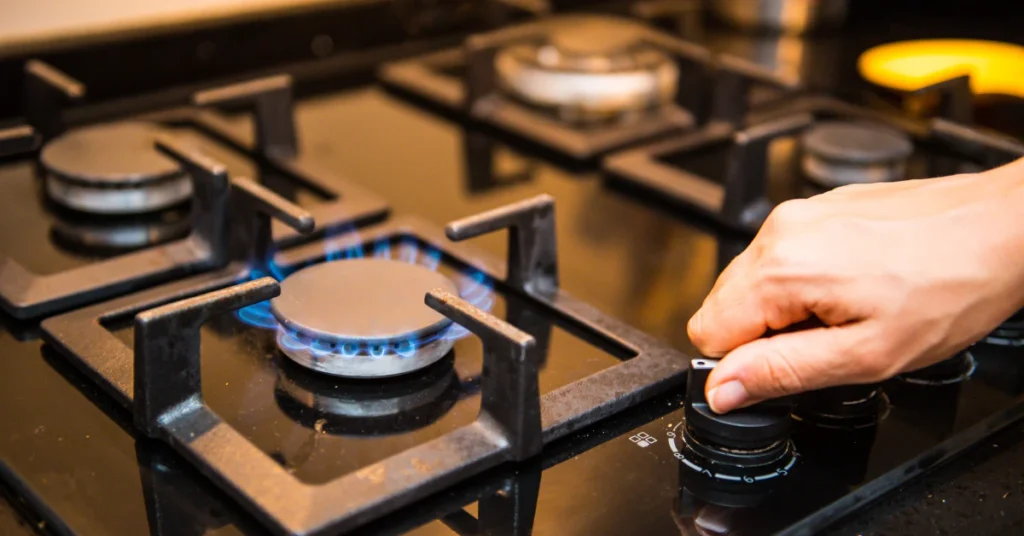
A Standard US Kitchen Range
Walk into almost any American kitchen and you’ll find a freestanding oven that measures exactly 30 inches wide. This isn’t a coincidence. Appliance makers settled on this width decades ago because it matches standard cabinet spacing in US kitchens. You can check the specs yourself on retailers like Home Depot’s Classic 500 alcove bathtub listing, which we’ll get to next, but appliance brands like GE and Whirlpool list the same 30-inch width across nearly their entire freestanding range lineup.
A Standard US Bathtub
The classic alcove bathtub found in most American bathrooms measures 60 inches long and 30 inches wide. This exact size shows up over and over at major retailers. A quick look at Home Depot’s own product listing for a 60 in. x 30 in. alcove soaking bathtub confirms the width matches what plumbers and builders have used for generations. Builders stick to this measurement because it fits the standard five-foot alcove opening framed into most bathroom walls.
Two and a Half Standard Rulers
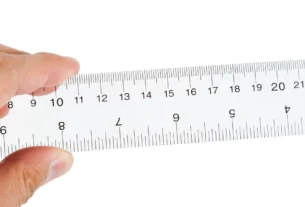
Every kid who’s gone through American school knows the standard ruler measures 12 inches. Line up two full rulers end to end and you’ve got 24 inches. Add half of a third ruler, and you land right at 30 inches. It’s a simple trick, but it works great if you’re stuck without a tape measure and need a rough estimate fast.
A Standard Over-the-Range Microwave
If your kitchen has a microwave mounted above the stove, there’s a good chance it measures 30 inches wide too. Manufacturers size these microwaves to match the width of standard ranges below them, so the two appliances line up perfectly on the wall. This is one of those design choices that makes kitchen installation simple instead of a headache.
A Standard 2/6 Interior Door
In construction terms, a “2/6 door” means a door that’s 2 feet 6 inches wide, which comes out to exactly 30 inches. You’ll usually spot this size on bathroom doors, closet doors, and smaller bedroom doors. It’s narrower than the standard 32-inch or 36-inch main entry doors, since these interior spaces don’t need as much clearance for furniture or wheelchairs.
A Youth Baseball Bat
Kids playing baseball around ages 9 to 11 typically swing a bat close to 30 inches long. Youth leagues size bats this way to match the strength and reach of younger players, since a full adult bat would be too heavy and too long to control. If you’ve got a kid this age, check their bat bag. There’s a solid chance it reads 30 inches right on the barrel.
A Standard Bar Stool Height
Counter-height bar stools in most American homes and kitchens measure around 30 inches from the floor to the top of the seat. This height pairs correctly with kitchen counters and islands built at standard heights, giving you enough legroom without your knees hitting the counter above. It’s a detail furniture makers rely on constantly, since mismatched stool and counter heights make seating awkward.
How to Visualize and Measure 30 Inches Without a Ruler
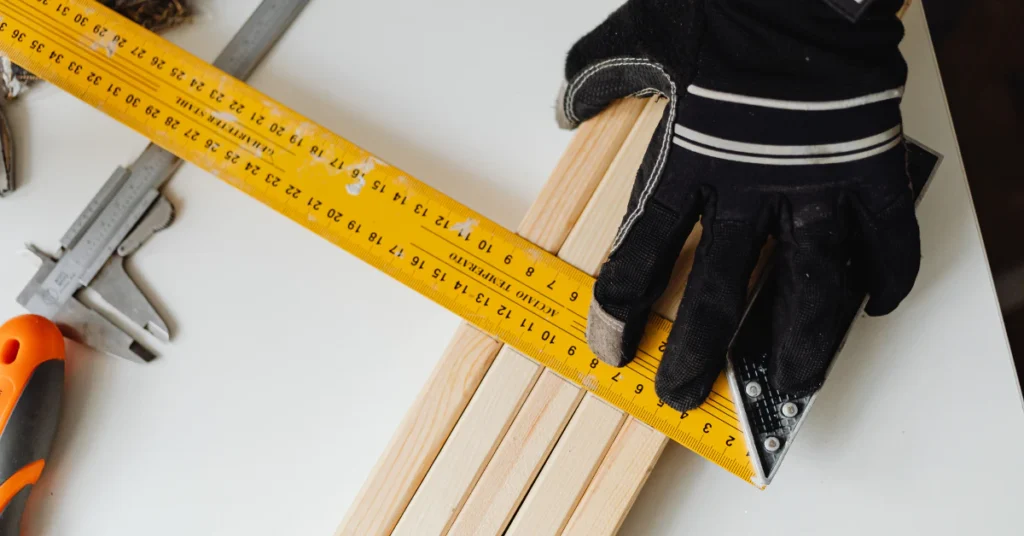
Sometimes you’re standing in a room with no tape measure in sight, and you still need a number fast. Good news: your own body works as a decent backup tool. Here’s how to measure 30 inches using nothing but yourself and a little math.
The Shoe Trick
A men’s size 10 to 11 shoe runs about 11 to 12 inches long. Lay down two and a half pairs, heel to toe, and you’ll land close to 30 inches. This works well for rough floor measurements, like checking if a piece of furniture will clear a hallway or fit next to a wall. It won’t be lab-accurate, but it’s close enough for quick decisions.
The Forearm Method
Most adults’ forearms, measured from elbow to fingertip, run somewhere between 17 and 19 inches. Add roughly two-thirds of a second forearm length and you’re in the ballpark of 30 inches. This trick comes in handy when you’re reaching across a countertop or shelf and can’t grab a tape measure without putting something down.
The Stride Estimate
An average adult stride, meaning one normal walking step, lands around 2.5 feet for most people, which is almost exactly 30 inches. If you need to check whether a doorway gap or floor space is roughly 30 inches, take one natural step and see how it lines up. Don’t stretch your leg out unnaturally. Just walk like you normally would.
Why These Tricks Work
None of these methods replace a real tape measure when precision matters, like ordering an appliance or installing a door. But for quick estimates around the house, checking clearance, or deciding if something will fit before you go buy it, these body-based tricks get you close enough, fast enough, without digging through a drawer for a measuring tool.
Why is 30 Inches Such a Common Measurement?

Thirty inches keeps showing up across so many different products because it hits a sweet spot for human comfort and building efficiency. It’s not random. Manufacturers and builders lean on this number because it works with how people actually move and reach.
Take kitchen counters and appliances. A 30-inch width gives enough space for comfortable reach without forcing anyone to overextend their arms. That’s why ranges, microwaves, and even many countertop sections share this measurement. It keeps kitchens functional and lets appliances line up without awkward gaps.
Building codes lean on 30 inches too, especially for interior doorways and clearances. Smaller passage doors, like closet or bathroom doors, use this width because it’s enough room to pass through comfortably without wasting space in tighter areas of a house.
Even in electronics, the pattern holds. A lot of shoppers search for 30 inch tv dimensions when comparing screen sizes for a bedroom or kitchen setup, since a 30-inch class television is a common midsize choice that fits smaller rooms without overwhelming the space.
Basically, 30 inches sits at the intersection of comfort, code requirements, and practical design, which is exactly why it keeps popping up everywhere you look.
Frequently Asked Questions
Is 30 inches considered long or short?
It depends on context. For a doorway or appliance width, 30 inches is a completely standard size. But for something like a TV screen or a piece of luggage, 30 inches would be considered on the smaller side compared to today’s larger options.
How many feet is 30 inches?
Thirty inches equals exactly 2.5 feet. Since one foot has 12 inches, dividing 30 by 12 gives you that clean 2.5 result every time, with no rounding involved.
What is the equivalent of 30 inches in centimeters?
Thirty inches converts to 76.2 centimeters. This comes from multiplying 30 by 2.54, since one inch always equals 2.54 centimeters in the metric system.
What common furniture is 30 inches wide?
Plenty of everyday furniture hits this width, including many bar stool seats, small side tables, and narrower dresser or nightstand designs. It’s also a common depth for kitchen counters in smaller homes, making it one of the more practical furniture measurements around.
Wrapping Up
Now that you’ve got 2.5 feet locked into your head, sizing up appliances, doorways, and furniture gets a whole lot easier. Next time you’re shopping for a range or checking if a bathtub fits, you won’t need to pull up a calculator. Just picture that kitchen stove or bathroom door, and you’ll know exactly what 30 inches looks like in real life.