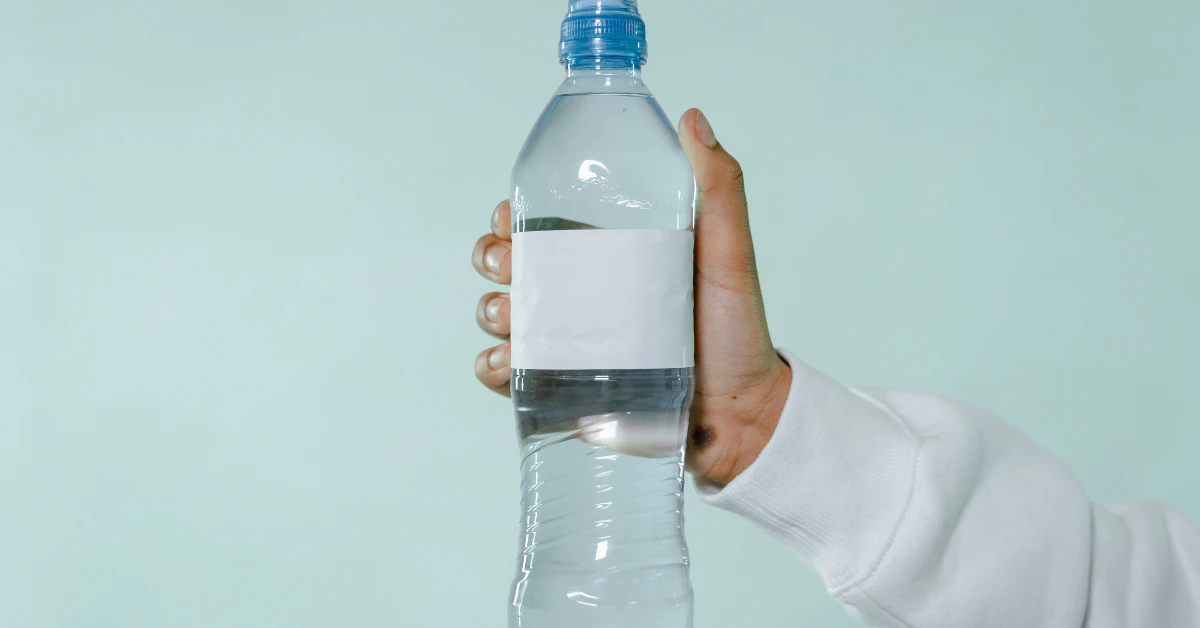
A standard single-use plastic water bottle in the US holds 16.9 fluid ounces (fl oz). That is exactly 500 milliliters (ml). The number looks odd, but it comes straight from the metric system.
So, how many oz in a water bottle you grab at the store? Almost 17. The label rounds to 16.9 because 500 ml converts to 16.907 fl oz.
This guide gives you the numbers fast. You will see mini, standard, and large bottle sizes in one chart. You will also get the gallon math, so you know how many bottles make 128 oz.
Then we turn it into cups and daily intake. That way, you can check if your water habit matches what experts suggest.
Why is the Standard Water Bottle 16.9 Ounces?
It looks like a strange number. Why not an even 16 oz? Many people ask this, and the answer is simple.
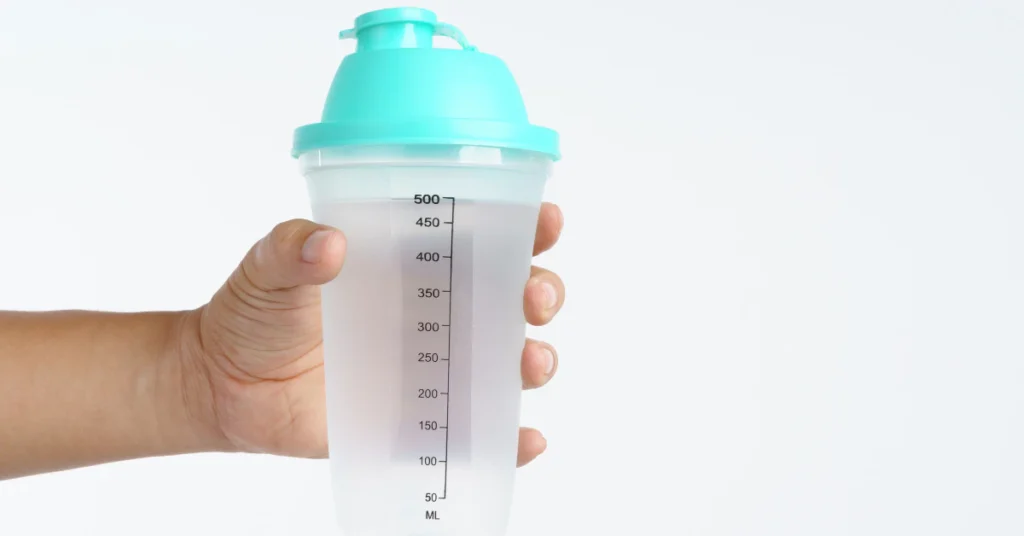
The bottle was never built around ounces. It was built around 500 milliliters (ml), which is a round number in the metric system.
Most of the world uses milliliters and liters. So a 500 ml bottle is a natural size for water brands that sell in many countries.
Here is the math:
- 1 US fluid ounce = 29.57 ml
- 500 ml ÷ 29.57 = 16.9 fl oz
The US label just shows the same bottle in a different unit. Nothing is missing, and nothing is added.
Now flip it around. A bottle of exactly 16 oz would hold about 473 ml. That is an odd size in metric countries.
Brands would need a different bottle, cap, and label for each market. That costs time and money.
One 500 ml size fixes that. It makes life easier for beverage companies in a few ways:
- Factories use the same molds and caps.
- Cases and pallets stack the same way everywhere.
- Global shipping and labeling stay simple.
- Stores and vending machines can plan around one size.
So the odd-looking 16.9 is not a trick. It is just 500 ml written in US units.
Next time someone asks why it is not 16 oz, you have the answer. The bottle follows the metric standard, and the ounces simply follow the math. Easy to remember, and easy to explain. That is really all there is to it.
Plastic and Reusable Water Bottle Size Chart
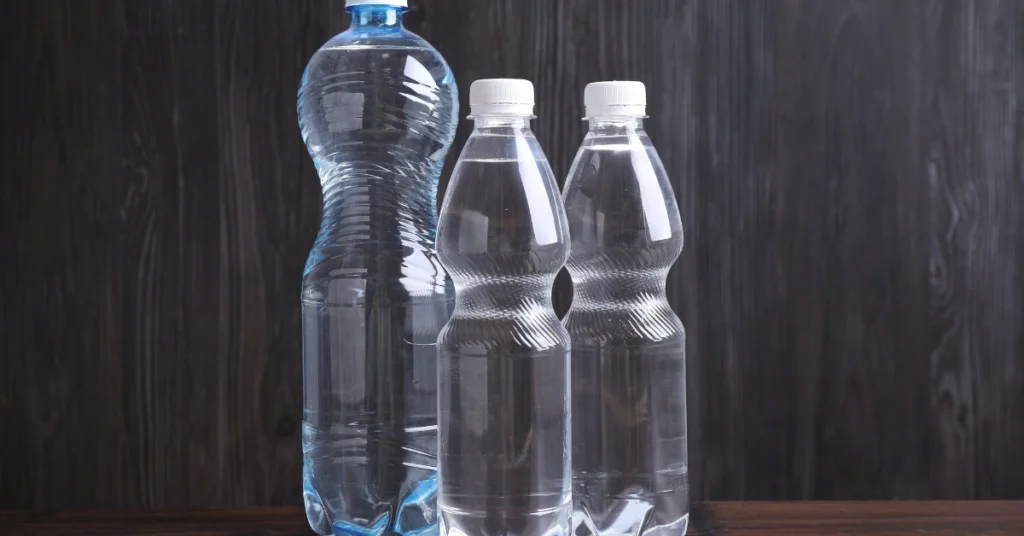
Here is a quick chart of common bottle sizes. Use it to compare ounces, milliliters, and cups at a glance.
| Bottle Type | Size in Oz | Size in ML | Cups Equivalent |
| Mini plastic | 8 oz | 237 ml | 1 cup |
| Small plastic | 12 oz | 355 ml | 1.5 cups |
| Standard plastic | 16.9 oz | 500 ml | 2.1 cups |
| Vending/Soda size | 20 oz | 591 ml | 2.5 cups |
| Medium reusable | 24 oz | 710 ml | 3 cups |
| Large reusable | 32 oz | 946 ml | 4 cups |
| Half-gallon | 64 oz | 1,893 ml | 8 cups |
Quick tip: One US cup equals 8 fl oz. Divide any bottle size by 8 to get cups.
The 64 oz half-gallon jug is the go-to size for the gallon challenge. Fill it twice and you hit 128 oz. Mini 8 oz bottles suit kids’ lunch boxes and short workouts.
Disposable vs. Reusable Bottles
Disposable plastic bottles come in small, fixed sizes. The 16.9 oz bottle is the one you see most often in stores. The 20 oz bottle is common in vending machines and gas stations.
Reusable bottles run bigger. Brands like Yeti and Hydro Flask sell stainless steel bottles from about 12 oz up to 64 oz. The most popular sizes are 18, 24, 32, and 40 oz.
Here is how they differ:
- Capacity: Reusables often hold 24 to 40 oz, well above the 16.9 oz plastic bottle.
- Refills: One 32 oz bottle replaces almost two standard plastic bottles.
- Insulation: Stainless steel keeps water cold for hours, so you can sip all day.
- Cost: A reusable costs more upfront but saves money over time.
Pick the size that matches your daily routine. A 32 oz bottle refilled three times gives you 96 oz, a number we will use in the daily intake section.
How Many Water Bottles Make a Gallon?
One US gallon equals 128 fluid ounces. That is the number every bottle count starts from.
So, how many water bottles in a gallon? It depends on the bottle size. Here is the math for the standard one.
128 ÷ 16.9 = 7.57
You need about seven and a half standard 16.9 oz bottles to make one gallon. In real life, that means 8 bottles gets you a little over a gallon. You will have about 7 oz to spare.
Bottles Per Gallon by Size
Use this list to find your own bottle. Divide 128 by the bottle size.
- 8 oz mini bottle: 16 bottles
- 12 oz small bottle: about 10.7 bottles
- 16 oz bottle: 8 bottles
- 16.9 oz standard bottle: about 7.6 bottles
- 20 oz vending bottle: 6.4 bottles
- 24 oz reusable: about 5.3 bottles
- 32 oz reusable: 4 bottles
- 40 oz reusable: 3.2 bottles
- 64 oz half-gallon: 2 bottles
Quick tip: Sizes that divide evenly into 128 are the easiest to track. The 16, 32, and 64 oz bottles all work this way.
Why This Matters for the Gallon Challenge
Many people try to drink a full gallon a day. A 16.9 oz bottle makes that hard to track, since the math never lands on a whole number.
A 32 oz bottle fixes that. Drink it four times and you are done. Fill a 64 oz jug twice and you get the same result.
If you only have standard plastic bottles, count 8 of them. You will pass the gallon mark and avoid coming up short.
One last note: a gallon is a lot of water for most people. The next section shows what experts suggest for daily intake, so you can set a goal that fits you.
Fluid Ounces vs. Cups: Doing the Hydration Math
One standard US cup equals 8 fluid ounces. That is the only conversion you need to remember.
Here is the 16.9 oz water bottle to cups math:
16.9 ÷ 8 = 2.11
A standard bottle holds about 2.1 cups of water. Think of it as two full cups plus a small splash.
Quick Cup Conversions
Use this list to check other sizes. Divide the ounces by 8.
- 8 oz: 1 cup
- 16 oz: 2 cups
- 16.9 oz: about 2.1 cups
- 24 oz: 3 cups
- 32 oz: 4 cups
- 64 oz: 8 cups
Why Cups Are Easier to Track
Cups are a unit most people already use at home. You pour them in the kitchen, and you see them on food labels.
That makes cups handy in a few ways:
- Diet tracking: Many apps and meal plans count fluids in cups.
- Recipes: Soups, smoothies, and baking use cups, so you can measure water the same way.
- Health advice: Daily water goals are often listed in cups, not ounces.
- Easy mental math: Eight ounces per cup keeps the numbers small.
Quick tip: Do not confuse fluid ounces with weight ounces. A cup holds 8 fluid ounces of water, which also weighs close to 8 ounces. That match only works for water, so do not count on it for flour or honey.
Now that you can switch between bottles and cups, you are ready to compare your habit to daily goals.
How Many Ounces Should You Drink Daily?
Daily water needs depend on who you ask, but one source is widely trusted. The National Academies of Sciences, Engineering, and Medicine (NASEM) sets the most cited targets in the US.
Here is what they suggest for adults each day:
- Men: about 124 oz (15.5 cups)
- Women: about 92 oz (11.5 cups)
These numbers cover all fluids and foods, not just plain water. Coffee, tea, milk, soup, fruit, and vegetables all count toward the total.
What That Looks Like in Bottles
Divide the daily goal by 16.9 to count standard bottles.
- Men: 124 ÷ 16.9 = about 7.3 bottles
- Women: 92 ÷ 16.9 = about 5.4 bottles
So men need roughly 7 bottles a day. Women need about 5.5.
Remember, this is the total from drinks and food together. Most people get around 20 percent of their water from what they eat. That means you may need fewer bottles than the numbers above suggest.
Your Number May Be Different
These are general averages, not strict rules. Your own needs can shift based on:
- Exercise: Hard workouts make you sweat more, so you need extra fluid.
- Heat: Hot weather and humidity raise your water loss.
- Body size: Larger bodies usually need more water.
- Health and life stage: Pregnancy, nursing, and illness can change your needs.
Quick tip: Check your urine color. Pale yellow usually means you are on track. Dark yellow is a sign to drink more.
If you have a medical condition, ask your doctor for a goal that fits you.
Popular Reusable Water Bottle Brands & Their Sizes
Switch from disposable bottles to a reusable one, and the math gets easier. Standard plastic bottles follow the 500 ml metric rule, so you get odd numbers like 16.9 oz. Reusable bottles do not.
Popular US brands like Yeti, Hydro Flask, and Stanley build their bottles around whole ounces. You will not find many 16.9 oz sizes here. They go for round numbers that divide cleanly into a cup count or a gallon.
Common Sizes by Brand
These brands sell most of their bottles in the same range:
- Yeti Rambler: 18, 26, 36, and 64 oz
- Hydro Flask: 18, 24, 32, 40, and 64 oz
- Stanley: 20, 30, 40, and 64 oz (tumblers and quenchers)
Quick tip: Exact sizes change by product line, so check the label on the bottle you plan to buy.
Why Round Sizes Help
An even number is easy to track. A 32 oz bottle equals 4 cups, and four of them make a full gallon. Compare that to the 7.57 standard bottles you need for the same gallon.
Here is how a 32 oz bottle fits your daily goals:
- Women (92 oz): about 3 bottles
- Men (124 oz): about 4 bottles
That is 3 to 4 refills instead of 5 to 7 plastic bottles. You count less, and you forget less.
Cut the Math Fatigue
Tracking small bottles all day gets old fast. One large bottle turns your goal into a short checklist. Fill it in the morning, again at lunch, and once more in the afternoon.
Remember, the daily numbers include water from food and other drinks. A 32 oz bottle gives you a simple base to build on.
Frequently Asked Questions
How many ml is a standard 16.9 oz water bottle?
A standard 16.9 oz water bottle holds 500 ml. That is the metric size the bottle is built around. The ounce number on the label is just the US conversion.
Is a regular water bottle 16 oz or 32 oz?
Neither one is exact. A regular single-use plastic bottle is 16.9 oz, which is close to 16 oz but not the same.
The 32 oz size is common for large reusable bottles, like the ones from Hydro Flask and Yeti. It holds about 1,000 ml, or almost two standard plastic bottles.
How long is a 12 oz water bottle?
A 12 oz water bottle is usually 7 to 8 inches tall. Exact height depends on the brand and the shape.
That small size fits in kids’ lunch boxes, school bags, and car cup holders. It is also easy to toss in a purse or gym bag.
How many 16.9 oz bottles do I need for a gallon?
You need about 7.6 bottles. In real life, count 8 bottles to be sure you pass 128 oz.
Know your bottle size, and the math gets simple. Now fill up your bottle and keep sipping through the day.
Conclusion
A standard single-use water bottle holds 16.9 oz, which is exactly 500 ml. The odd number comes from the metric system, not from a mistake.
Here are the numbers worth keeping:
- 1 cup = 8 fl oz, so a 16.9 oz bottle is about 2.1 cups.
- 1 gallon = 128 oz, which takes about 7.6 standard bottles.
- Daily goals are about 92 oz for women and 124 oz for men, from all drinks and foods.
If the math feels like a chore, switch to a 32 oz reusable bottle. Three or four refills can cover your day.
Pick the size that fits your routine, check your own needs, and keep a bottle within reach.