
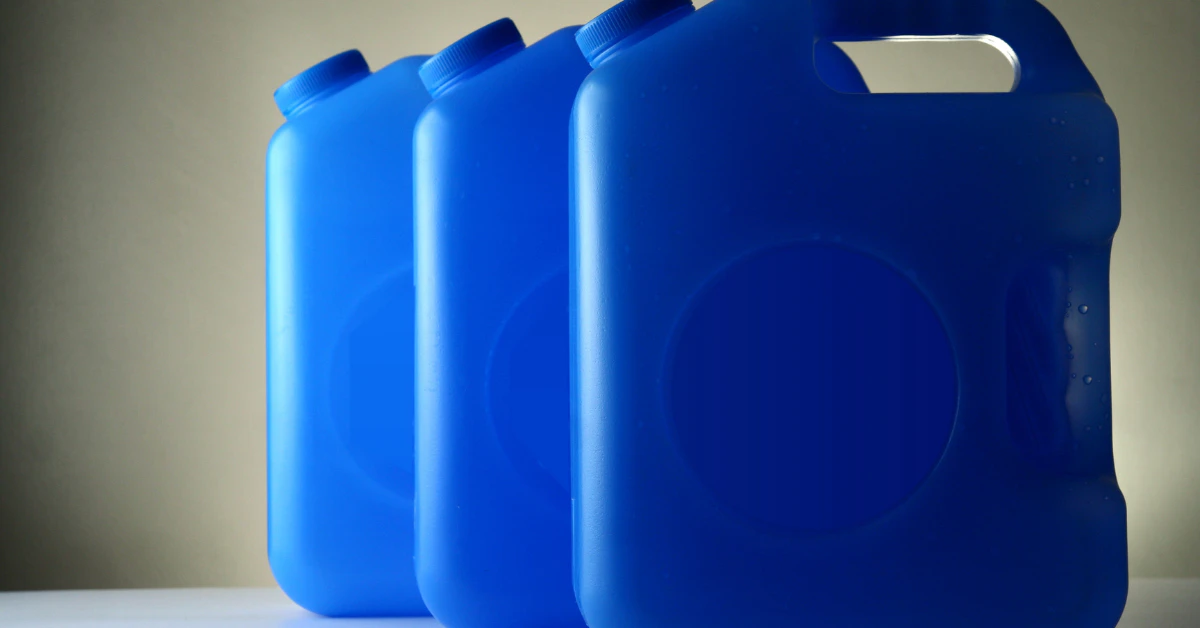
A gallon of water weighs 8.34 pounds, or 3.78 kilograms, at room temperature. That number holds true whether you’re filling a jug at home or measuring out water for a fish tank.
This weight comes straight from US measurement standards, so you can trust it for school projects, recipes, or planning a move. Knowing the exact figure matters more than most people think.
Aquarium owners need it to check if a stand can hold the tank’s weight. Preppers use it to calculate emergency water storage limits. Movers rely on it to avoid overloading boxes or shelves.
The number changes slightly with temperature and if you’re using the UK gallon instead of the US version. We’ll break down both, plus how this compares to milk, gas, and ice, so you get the full picture.
The Exact Weight of a Gallon of Water (US vs Imperial)
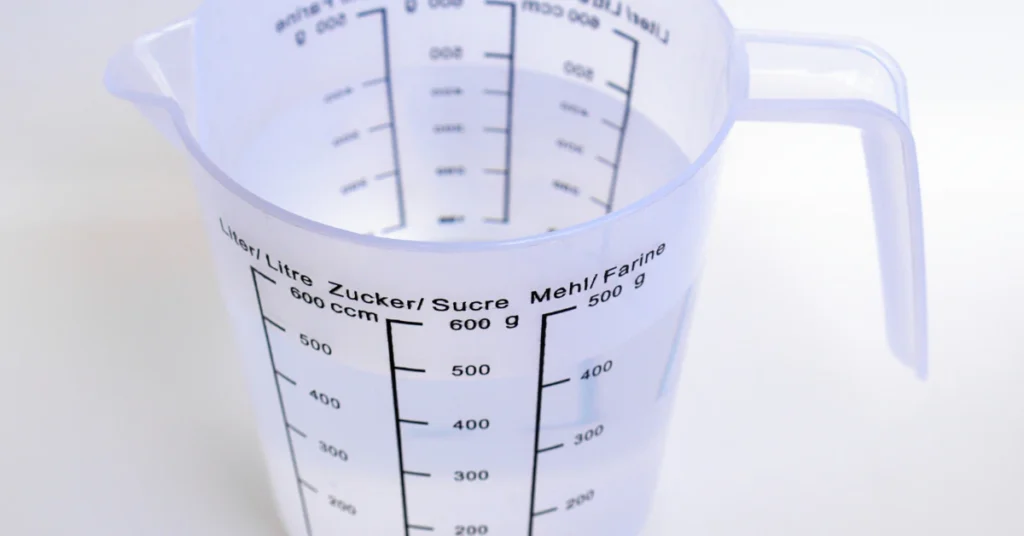
A US gallon of water weighs 8.34 pounds, or 3.78 kilograms, when measured at 62°F. This is the standard used across the United States for cooking, shipping, and science.
The United Kingdom uses a different system called the Imperial gallon. It holds more liquid than a US gallon, so it weighs more too. A UK gallon of water comes out to exactly 10 pounds, or 4.54 kilograms.
Why the difference? The US gallon is based on an old English wine measurement, while the Imperial gallon was standardized later and holds about 20% more volume. This is why recipes and fuel labels can vary between American and British sources.
The National Institute of Standards and Technology (NIST) sets the official rules for weights and measures in the US, including how gallons and pounds are defined and tested.
Here’s a quick comparison table for reference:
| Unit | Pounds | Kilograms |
| 1 US Gallon | 8.34 lbs | 3.78 kg |
| 1 UK (Imperial) Gallon | 10 lbs | 4.54 kg |
| 1 Liter | 2.20 lbs | 1 kg |
Knowing which gallon you’re using matters most when following recipes from British websites or calculating fuel and water weight for travel abroad.
Weight of 5 Gallons and Common Containers
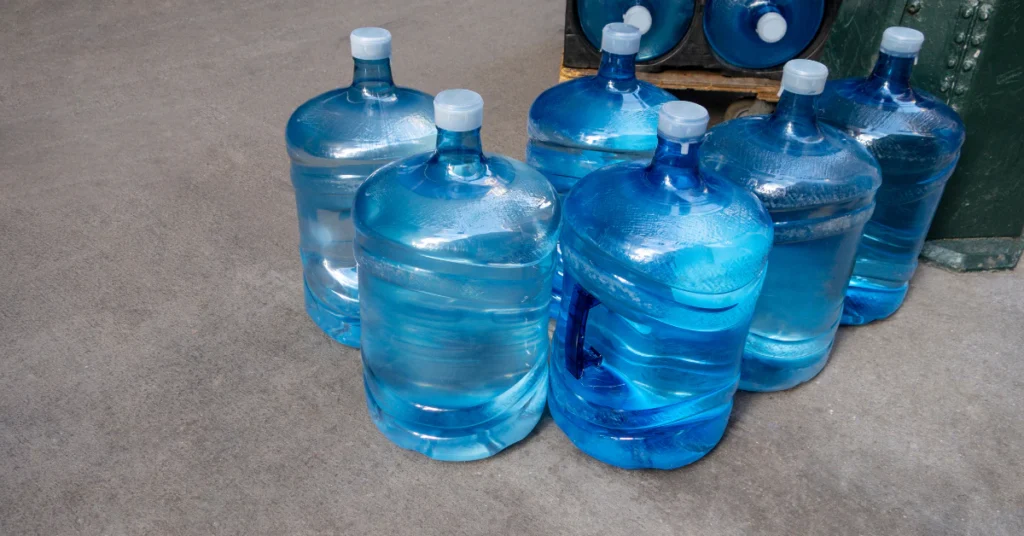
Five gallons of water weighs 41.7 pounds. That’s the standard size used in office water coolers, so lifting one isn’t a light task, especially for anyone with back issues.
Emergency preppers often store water in 5-gallon jugs too. Knowing the weight helps you plan how many you can safely stack, carry, or fit in a car during an evacuation.
Here’s how common container sizes stack up:
- 5 Gallon Jug = 41.7 lbs
- 1 Liter Bottle = 2.2 lbs (1 kg)
- 1 Standard Cup of Water = 0.52 lbs
These numbers make it easier to estimate total weight before you fill a cooler, pack a bag, or load water into your car for a trip.
How Temperature Changes Water Weight

Water’s weight isn’t fixed. It changes slightly depending on how hot or cold it is, because temperature affects density, or how tightly packed the molecules are.
At room temperature (around 62°F), a gallon of water weighs 8.34 pounds. But heat it up or freeze it, and that number shifts.
Ice is a good example. When water freezes, it expands by about 9%. The molecules spread out and take up more space, but the total mass stays the same. This means a gallon of ice actually weighs less than a gallon of liquid water, coming in at around 7.6 pounds.
This surprises a lot of people, since ice feels solid and heavy. But volume and weight aren’t the same thing. A gallon jug filled with ice simply has less water packed into it than one filled with liquid.
Boiling water follows the same rule, just in reverse. Heat causes water molecules to spread apart slightly, so a gallon of boiling water weighs a touch less than a gallon at room temperature.
Water Compared to Other Liquids

Not all liquids weigh the same as water, even in the exact same size container. Density is what makes the difference, and some liquids pack more or less mass into a gallon.
Milk is a good example. A gallon of milk weighs about 8.6 pounds, slightly more than water. This happens because milk contains fat and protein, which add extra mass beyond just water content.
Gasoline goes the other way. A gallon of gas weighs around 6.2 pounds, noticeably lighter than water. Fuel is made of hydrocarbons, which are less dense and float when mixed with water.
Ice cream sits in its own category. A gallon typically weighs about 4.7 pounds, but the Food and Drug Administration requires that finished ice cream weigh no less than 4.5 pounds per gallon. This rule stops manufacturers from whipping in too much air and shorting customers on actual product. Agricultural Marketing Service
Here’s how these liquids compare side by side:
| Liquid | Weight per Gallon |
| Water | 8.34 lbs |
| Milk | 8.6 lbs |
| Gasoline | 6.2 lbs |
| Ice Cream | 4.7 lbs |
These differences matter for anyone shipping products, calculating fuel loads, or just curious why a gallon of milk feels heavier than a gallon of water.
Frequently Asked Questions
Is a gallon of milk heavier than water?
Yes. A gallon of milk weighs about 8.6 pounds, while a gallon of water weighs 8.34 pounds. The extra weight comes from fat and protein content in milk, which water doesn’t have.
How much does 5 gallons of water weigh?
Five gallons of water weighs 41.7 pounds. This is the standard size used in office water coolers and emergency storage jugs.
What is heavier, a gallon of water or a gallon of ice?
Water is heavier. Ice expands by about 9% when it freezes, spreading its mass over more space. This makes a gallon of ice weigh around 7.6 pounds, less than the same volume of liquid water.
How much does a gallon of milk weigh?
A gallon of milk weighs approximately 8.6 pounds. It’s heavier than water because of the fat and protein it contains.
How much does a gallon of ice cream weigh?
A gallon of ice cream weighs about 4.7 pounds on average. The FDA requires finished ice cream to weigh at least 4.5 pounds per gallon, which limits how much air can be whipped in.
How much does a cup of milk weigh?
A cup of milk weighs approximately 0.54 pounds, or about 245 grams. This is slightly heavier than a cup of water due to milk’s fat content.
What’s heavier, a gallon of gasoline or a gallon of water?
Water is heavier. A gallon of gasoline weighs only about 6.2 pounds, since fuel is made of lighter hydrocarbons that are less dense than water.
Is 2% milk just whole milk watered down?
No, no water is added to make 2% milk. Cow’s milk is naturally about 87% water already. Producers simply remove some fat using a centrifuge, which lowers the fat percentage without adding anything extra.
Is water heavier than Coke?
Regular Coke is heavier than water because it contains about 39 grams of sugar per can, which increases its density. This is why regular Coke sinks in water. Diet Coke uses artificial sweeteners instead of sugar, making it lighter than water, which is why it floats.
Conclusion
A gallon of water weighs 8.34 pounds in the US, or 10 pounds if you’re using the UK Imperial system. That single number changes slightly with temperature, but it stays the baseline for comparing milk, gasoline, ice, and ice cream.
Whether you’re stocking emergency supplies, setting up an aquarium, or just settling a kitchen debate, these figures give you a quick, reliable answer without any guesswork.